This is a study of the religious culture of sixteenth-century England, centred around preaching, and is concerned with competing forms of evangelism between humanists of the Roman Catholic Church and emerging forms of Protestantism. More than any other authority, Erasmus refashioned the ideal of the preacher. Protestant reformers adopted 'preaching Christ' as their strategy to promote the doctrine of justification by faith. The apostolic traditions of the preaching chantries provided standards that evangelical reformers used to supplant the mendicant friars in England. The late medieval cult of the Holy Name of Jesus is explored: the pervasive iconography of its symbol 'IHS' became one of the attributes of moderate Protestant belief. The book also offers fresh perspectives on fifteenth- and sixteenth-century figures on every side of the doctrinal divide, including John Rotheram, John Colet, Hugh Latimer and Anne Boleyn.
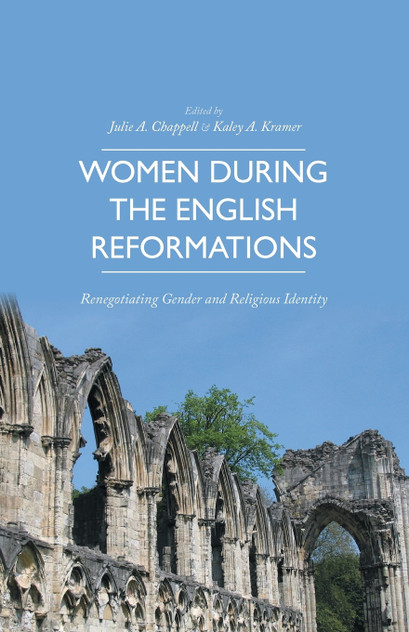
Catholic or Protestant, recusant or godly rebel, early modern women reinvented their spiritual and gendered spaces during the reformations in religion in England during the sixteenth century and...
This is a literary study of the seventeenth-century pamphlets and sermons delivered to the Long Parliament by Stephen Marshall, a leading English Puritan. Marshall was known as preacher to the Long...
The Rhetoric of the Black Preaching Tradition is a two volume collection of sermons from those who preach within the Black preaching tradition during the COVID19 pandemic.
Sermons Preached During Lent, 1864: In Great St. Mary�������s Church, Cambridge is a book written by Lord Bishop Oxford. The book is a collection of sermons preached during Lent in 1864 at Great St...