The Jola (Diola) are intensive wet-rice cultivators in the Lower Casamance region of Senegal. In this study, the author examines the reasons behind startling contrasts in the organization of agricultural tasks among three Jola communities located within a 45-kilometre radius from Ziguinchor. In Sambujat, situated in the non-Islamisized region south of the river, wet rice is a monocrop cultivated by both men and women. In Jipalom, in the Kajamutay region north of the river, Islam and cash cropping have been adopted; and in Fatiya, in the so-called 'Mandingized' region of the Kalunay, social relations have become hierarchical and this has had profound effects on the cropping system and on the division of labour. The author examines the shift of power relations over time, and their effects on the way in which production has been organized by age and gender, kin and class. Larger issues dealt with are Islamization, women's labour and the introduction of cash cropping. A concluding section places the history of Jola labour relations within the context of the political economy of Senegal.
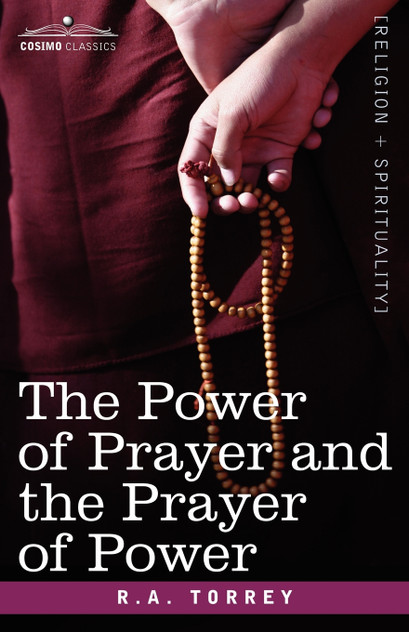
One of the most influential evangelical Christian speakers of the late 19th and early 20th centuries, R. A. Torrey traveled the world to bring the word of Christ to audiences. In this inspirational...
In recent months, the world has changed drastically. Life as we know it will never be the same. Even the strongest Christians feel hopeless and afraid of what the future holds. We are wounded,...
Prayer is the master key that opens the door to the blessings of God. It opens the heart, opens possibilities that are impossible by natural means, and opens the door to God's presence. Through a...