A posthumanist approach problematizes the separateness and centrality of humans in understanding the world around us. Posthumanism does not deny the role of humans but questions the assumption that it is human activity and agency that should be given pride of place in any analysis of social activity. This carries important and interesting implications for the study of World Englishes, some of which are explored in this Element. Sections 3 and 4, respectively, explore posthumanism in relation to two specific topics in World Englishes, creativity and language policy. These topics have been chosen because they allow us to see the contributions that posthumanism can make to a micro-level (creativity) as well as macro-level (language policy) topic.
In this text Hasse presents a new, inclusive, posthuman learning theory, designed to keep up with the transformations of human learning resulting from new technological experiences, as well as...
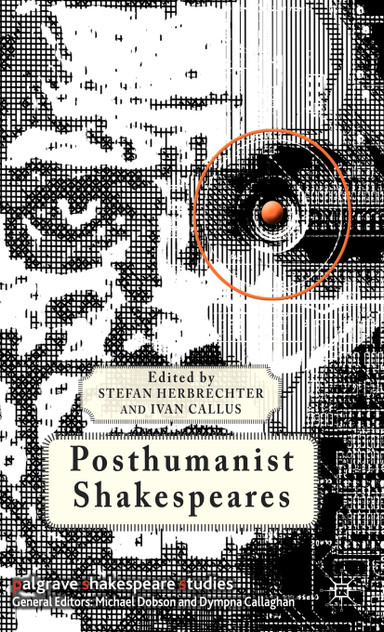
Shakespeare scholars and cultural theorists critically investigate the relationship between early modern culture and contemporary political and technological changes concerning the idea of the "human...
In recent years, calls for a new humanism have arisen from a variety of voices across the spectrum of philosophy, expressing frustration with outdated models of the human that cannot account for the...