Trending Bestseller

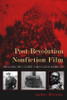
Post-Revolution Nonfiction Film

Joshua Malitsky

No reviews yet Write a Review
Paperback / softback
290 Pages
$66.00
Ships in 5–7 business days
Hurry up! Current stock:
In the charged atmosphere of post-revolution, artistic and political forces often join in the effort to reimagine a new national space for a liberated people. Joshua Malitsky examines nonfiction film and nation building to better understand documentary film as a tool used by the state to create powerful historical and political narratives. Drawing on newsreels and documentaries produced in the aftermath of the Russian revolution of 1917 and the Cuban revolution of 1959, Malitsky demonstrates the ability of nonfiction film to help shape the new citizen and unify, edify, and modernize society as a whole. Post-Revolution Nonfiction Film not only presents a critical historical view of the politics, rhetoric, and aesthetics shaping post-revolution Soviet and Cuban culture but also provides a framework for understanding the larger political and cultural implications of documentary and nonfiction film.

This product hasn't received any reviews yet. Be the first to review this product!

$66.00
Ships in 5–7 business days
Hurry up! Current stock:

Post-Revolution Nonfiction Film

$66.00

Description

In the charged atmosphere of post-revolution, artistic and political forces often join in the effort to reimagine a new national space for a liberated people. Joshua Malitsky examines nonfiction film and nation building to better understand documentary film as a tool used by the state to create powerful historical and political narratives. Drawing on newsreels and documentaries produced in the aftermath of the Russian revolution of 1917 and the Cuban revolution of 1959, Malitsky demonstrates the ability of nonfiction film to help shape the new citizen and unify, edify, and modernize society as a whole. Post-Revolution Nonfiction Film not only presents a critical historical view of the politics, rhetoric, and aesthetics shaping post-revolution Soviet and Cuban culture but also provides a framework for understanding the larger political and cultural implications of documentary and nonfiction film.

Customers Also Viewed