This book examines the causal impact of ideology through a comparative-historical analysis of three cases of 'post-imperial democracy': the early Third Republic in France (1870-86); the Weimar Republic in Germany (1918-34); and post-Soviet Russia (1992-2008). Hanson argues that political ideologies are typically necessary for the mobilization of enduring, independent national party organizations in uncertain democracies. By presenting an explicit and desirable picture of the political future, successful ideologues induce individuals to embrace a long-run strategy of cooperation with other converts. When enough new converts cooperate in this way, it enables sustained collective action to defend and extend party power. Successful party ideologies thus have the character of self-fulfilling prophecies: by portraying the future polity as one organized to serve the interests of those loyal to specific ideological principles, they help to bring political organizations centered on these principles into being.
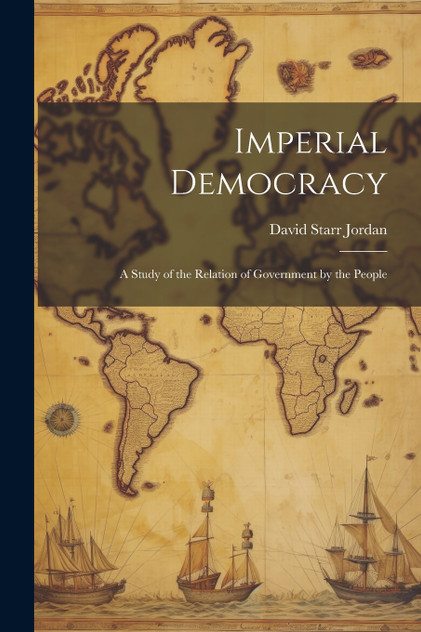
In this book, the author explores the concept of imperial democracy, which refers to the practice of democratic governance over a large, diverse empire. Using case studies from history, Jordan...
This book examines the role of Dutch colonialism in Malaysia and the Philippines, particularly the imperialist aims and democratic justifications for colonization. It explores the impact of Dutch...
In this important volume, Herman Lebovics, a pre-eminent cultural historian of France, develops an historical argument with strikingly contemporary relevance: Empire abroad inevitably undermines...
After the dissolution of empires, was the nation-state the only way to unite people politically, culturally and economically? In Post-Imperial Possibilities, historians Jane Burbank and Frederick...