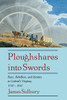
During the summer of 1800, slaves in and around Richmond conspired to overthrow their masters and abolish slavery. This book uses Gabriel's Conspiracy, and the evidence produced during the repression of the revolt, to expose the processes through which Virginians of African descent built an oppositional culture. Sidbury portrays the rich cultures of eighteenth-century black Virginians, and the multiple, and sometimes conflicting, senses of identity that emerged among enslaved and free people living in and around the rapidly growing state capital. The book also examines the conspirators' vision of themselves as God's chosen people, and the complicated African and European roots of their culture. In so doing, it offers an alternative interpretation of the meaning of the Virginia that was home to so many of the Founding Fathers. This narrative focuses on the history and perspectives of black and enslaved people, in order to develop 'Gabriel's Virginia' as a counterpoint to more common discussions of 'Jeffersonian Virginia'.
India's nuclear program is often misunderstood as an inward-looking endeavor of secretive technocrats. In Ploughshares and Swords, Jayita Sarkar challenges this received wisdom, narrating a global...
In this inspiring work, women's rights activist Lucia Ames Mead explores the power of pacifism and nonviolence in shaping society. Drawing on her own experiences and the writings of great thinkers...
This is a reproduction of a book published before 1923. This book may have occasional imperfections such as missing or blurred pages, poor pictures, errant marks,...
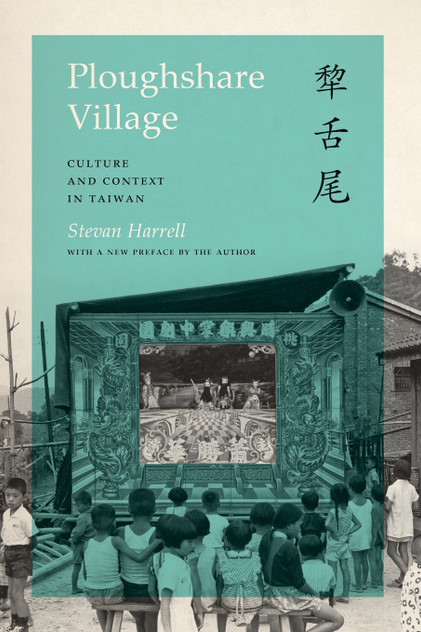
This anthropological study of a workers’ village in North Taiwan makes an important contribution to the comparative literature on Chinese and Taiwanese social organization. Based on fieldwork...
The annual celebrations of Plough Sunday, Rogation and Harvest are hugely important for churches serving rural communities and are a key way for those churches to engage in mission, usually seeing...