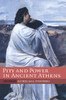
Ancient Athenians resemble modern Americans in their moral discomfort with empire. Athenians had power and used it ruthlessly, but the infliction of suffering did not mesh well with their civic self-image. Embracing the concepts of democracy and freedom, they proudly pitted themselves against tyranny and oppression, but in practice they were capable of being tyrannical. Pity and Power in Ancient Athens argues that the exercise of power in democratic Athens, especially during its brief fifth-century empire, raised troubling questions about the alleviation and infliction of suffering, and pity emerged as a topic in Athenian culture at this time. The ten essays collectively examine the role of pity in the literature, art, and society of classical Athens by analysing evidence from tragedy, philosophy, historiography, epic, oratory, vase painting, sculpture, and medical writings.
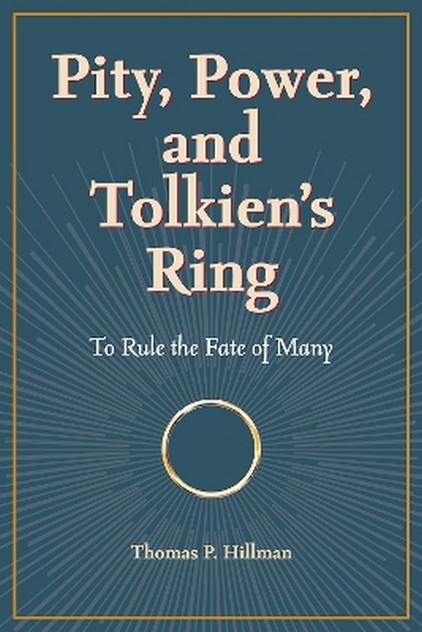
Illuminating the central struggle in The Lord of the Rings to deepen understanding of the whole of Tolkien's legendarium In this remarkable work of close reading and analysis, Thomas P. Hillman gets...
Childhood in Ancient Athens offers an in-depth study of children during the heyday of the Athenian city state, thereby illuminating a significant social group largely ignored by most ancient and...
The Ancient City of Athens (1953) contains both definite reports of the actual discoveries in the excavations which revolutionised previous topographical views of Athens, and articles and discussions...