Phylogenetic Comparative Methods: A User's Guide for Paleontologists
Recent advances in statistical approaches called phylogenetic comparative methods (PCMs) have provided paleontologists with a powerful set of analytical tools for investigating evolutionary tempo and mode in fossil lineages. However, attempts to integrate PCMs with fossil data often present workers with practical challenges or unfamiliar literature. This Element presents guides to the theory behind and the application of PCMs with fossil taxa. Based on an empirical dataset of Paleozoic crinoids, example analyses are presented to illustrate common applications of PCMs to fossil data, including investigating patterns of correlated trait evolution and macroevolutionary models of morphological change. The authors emphasize the importance of accounting for sources of uncertainty and discuss how to evaluate model fit and adequacy. Finally, the authors discuss several promising methods for modeling heterogeneous evolutionary dynamics with fossil phylogenies. Integrating phylogeny-based approaches with the fossil record provides a rigorous, quantitative perspective on understanding key patterns in the history of life.
An authoritative introduction to the latest comparative methods in evolutionary biologyPhylogenetic comparative methods are a suite of statistical approaches that enable biologists to analyze and...
This work has been selected by scholars as being culturally important, and is part of the knowledge base of civilization as we know it.This work is in the "public domain in the United States of...
Phylogenetic comparative approaches are powerful analytical tools for making evolutionary inferences from interspecific data and phylogenies. The phylogenetic toolkit available to evolutionary...
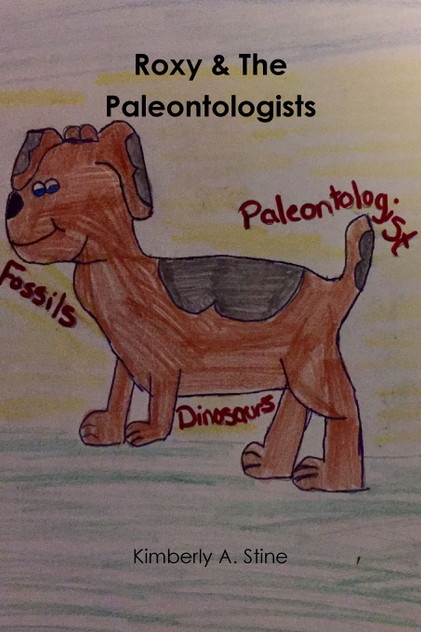
Roxy and Hal jump on the time machine and travel way back in time to a land way before humans to learn of a giant animal. The giant animal we know as DINOSAURS!