In Performing Anti-Slavery, Gay Gibson Cima reimagines the connection between the self and the other within activist performance, providing fascinating new insights into women's nineteenth-century reform efforts, revising the history of abolition, and illuminating an affective repertoire that haunts both present-day theatrical stages and anti-trafficking organizations. Cima argues that black and white American women in the nineteenth-century abolitionist movement transformed mainstream performance practices into successful activism. In family circles, literary associations, religious gatherings, and transatlantic anti-slavery societies, women debated activist performance strategies across racial and religious differences: they staged abolitionist dialogues, recited anti-slavery poems, gave speeches, shared narratives, and published essays. Drawing on liberal religious traditions as well as the Eastern notion of transmigration, Elizabeth Chandler, Sarah Forten, Maria W. Stewart, Sarah Douglass, Lucretia Mott, Ellen Craft and others forged activist pathways that reverberate to this day.
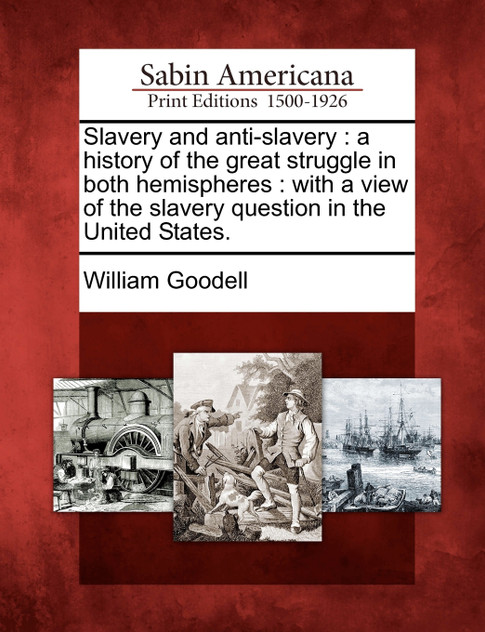
Title: Slavery and anti-slavery : a history of the great struggle in both hemispheres : with a view of the slavery question in the United States.<br /><br />Author:...
Title: Pictures of slavery and anti-slavery : advantages of negro slavery and the benefits of negro freedom, morally, socially, and politically considered.<br /><br...
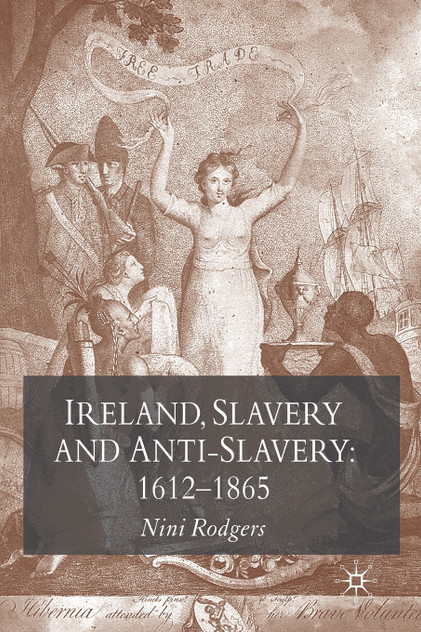
This book tackles a hitherto neglected topic by presenting Ireland as very much a part of the Black Atlantic world. It shows how slaves and sugar produced economic and political change in...
Although the significance of transatlantic currents of influence on slavery and abolition in the Americas has received substantial scholarly attention, the focus has tended to be largely on the...
This work has been selected by scholars as being culturally important, and is part of the knowledge base of civilization as we know it.This work is in the "public domain in the United States of...