There is a huge volume of work on war and its causes, most of which treats its political and economic roots. In Peace Education: How We Come to Love and Hate War, Nel Noddings explores the psychological factors that support war: nationalism, hatred, delight in spectacles, masculinity, religious extremism and the search for existential meaning. She argues that while schools can do little to reduce the economic and political causes, they can do much to moderate the psychological factors that promote violence by helping students understand the forces that manipulate them.
Whether formally incorporated into curriculum and teacher training or informally integrated in contexts such as state or NGO initiatives dealing with resolving social, ethnic, and religious...
This handbook encompasses a range of disciplines that underlie the field of peace education and provides the rationales for the ways it is actually carried out . The discipline is a composite of...
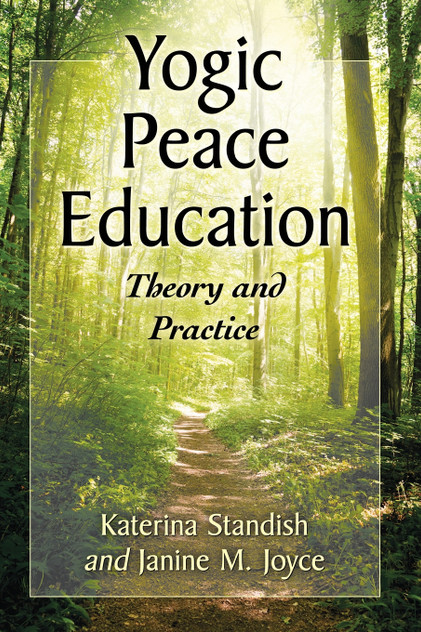
This introduction to peace education and yogic science provides a good toolkit to help bring contemplative peacebuilding (efforts to stop harm) practices to the classroom and community center. The...
This work has been selected by scholars as being culturally important, and is part of the knowledge base of civilization as we know it. This work was reproduced from the original artifact, and...