Thirty years after the 'Watergate Babies' promised to end corruption in Washington, Julian Zelizer offers a major history of the demise of the committee era Congress and the rise of the contemporary legislative branch. Based on research in over 100 archival collections, this 2004 book tackles one of the most enduring political challenges in America: barring a wholesale evolution, how can the institutions that compose representative democracy be improved so as best to fulfill the promises of the Constitution? While popular accounts suggest that major scandals or legislation can transform how government works, Zelizer shows that reform is messy, slow, multidimensional, and involves many institutions. This moment of reform in the 1970s revolved around a coalition that had worked for decades, the slow reconfiguration of the relationship between institutions, shifts in the national culture, and the ability of reformers to take advantage of scandal and elections.
Although Tennessee has a rich history of political scandals, dating back to the founding of the state, the last fifty years have been a confusing, confounding, and sometimes ludicrous period of...
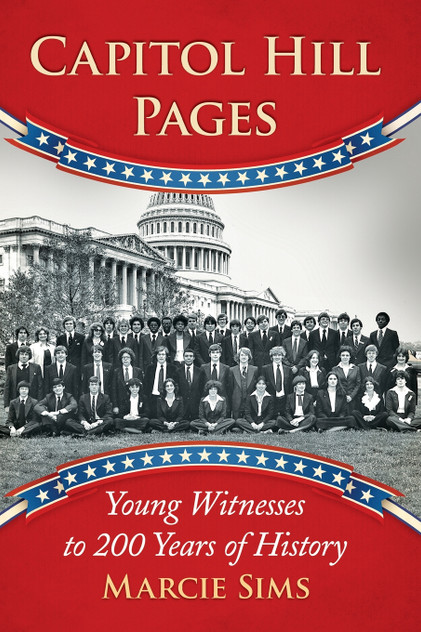
The Capitol Page Program allowed teenagers to serve as nonpartisan federal employees performing a number of duties within the House, Senate and Supreme Court. Though only Senate Pages remain after...
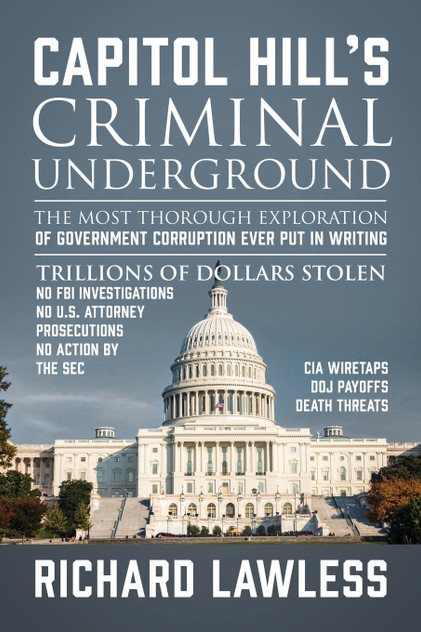
Richard Lawless’s Capitol Hill’s Criminal Underground: The Most Thorough Exploration of Government Corruption Ever Put in Writing is a no-holds-barred tell-all about the bad guys of Capital Hill and...