After a century of exponential growth, the international oil industry suddenly slowed down in the 1970s, faltered during the 1980s, and by 1991 was just about back to its 1979 level. That break in trend of its dominance in world energy became clear in 'the OPEC decade' from 1973 onwards, gaining a surge of riches for oil-exporting countries. This book, which was originally published in 1993, is a descriptive analysis of influences in the world oil trade. It is concerned with a central unchanged paradox of the industry - its preoccupation with maximising the production of high-cost rather than low-cost oil. It follows the rise and decline of OPEC monopoly power in the crude market, and shows how growth in the international oil business has almost ceased since the late seventies, exploring the reasons behind this slowdown. The author has had twenty-five years of practical experience in petroleum economics.
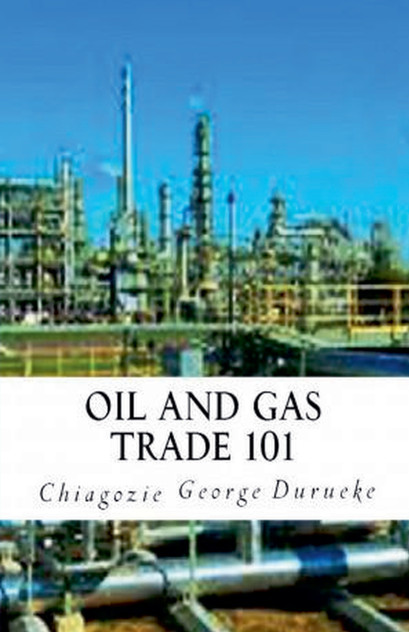
Want to learn how to buy and sell physical Petroleum Products, Crude Oil and Gas internationally!?Want to become an Oil and Gas Trade Facilitator Fast and Easy? Then Read the Book "Oil and Gas Trade...
This work has been selected by scholars as being culturally important, and is part of the knowledge base of civilization as we know it.This work is in the "public domain in the United States of...
This work has been selected by scholars as being culturally important, and is part of the knowledge base of civilization as we know it. This work was reproduced from the original artifact, and...
In as much as trade fosters economic development, it also exacerbates poverty, especially in the sub Saharan African (SSA) countries. Against this backdrop, this study will increase our understanding...
Bachelor Thesis from the year 2010 in the subject Business economics - Banking, Stock Exchanges, Insurance, Accounting, grade: 2,2, University of Applied Sciences Essen, language: English, abstract:...