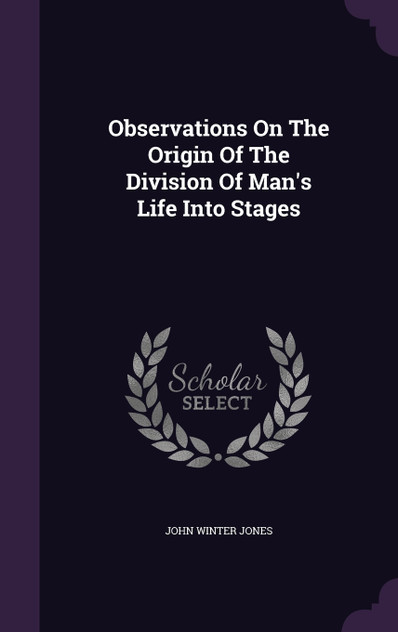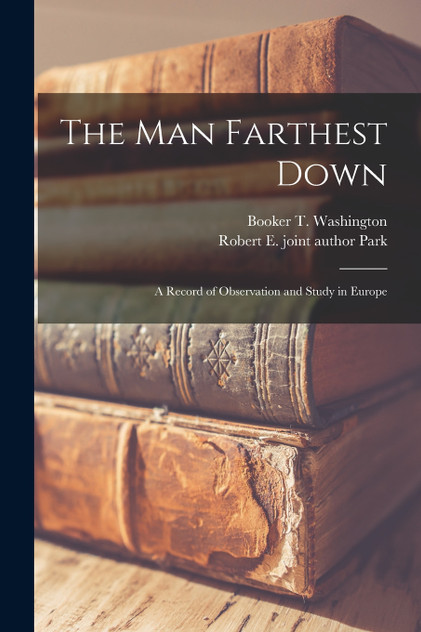
The orphaned son of an Anglican clergyman, David Hartley (1705-57) was originally destined for holy orders. Declining to subscribe to the Thirty-Nine Articles, he turned to medicine and science yet remained a religious believer. This, his most significant work, provides a rigorous analysis of human nature, blending philosophy, psychology and theology. First published in two volumes in 1749, Observations on Man is notable for being based on the doctrine of the association of ideas. It greatly influenced scientists, theologians, social reformers and poets: Samuel Taylor Coleridge, who named his eldest son after Hartley, had his portrait painted while holding a copy. Volume 2 is particularly concerned with human morality and the duty and expectations of mankind. Here the author is keen to show that scientific observation is not necessarily in conflict with religious conviction.
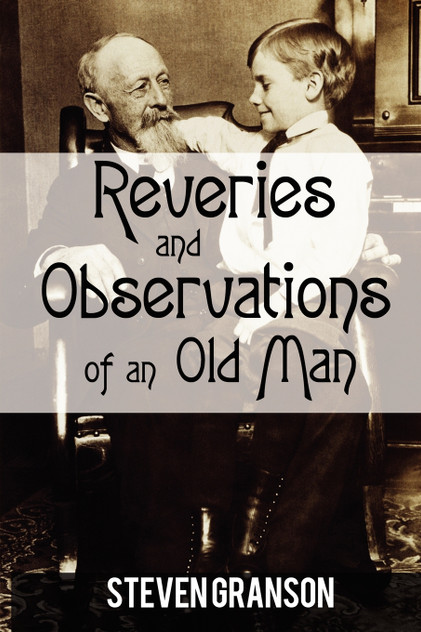
We tend to consider people who agree with us as being more intelligent than people who do not.I have concluded when something smells, it is a good idea to think twice before sticking your nose in it...
This work has been selected by scholars as being culturally important, and is part of the knowledge base of civilization as we know it. This work was reproduced from the original artifact, and...
The 18th century was a wealth of knowledge, exploration and rapidly growing technology and expanding record-keeping made possible by advances in the printing press. In its determination to preserve...
This work has been selected by scholars as being culturally important, and is part of the knowledge base of civilization as we know it.This work is in the "public domain in the United States of...