Sister Carrie (1900), Theodore Dreiser's first novel, is one of the seminal works in American literature because of Dreiser's ground-breaking dramatization of the tragic life led by men and women in the modern American city. The introduction by Donald Pizer describes in detail the biographical and historical background of the novel and its critical reputation. The four original essays in this 1991 volume not only touch on long-established approaches to Sister Carrie but also reflect a number of the concerns of scholarly and critical movements. Each of the essays is a self-standing examination of a major area of interest in the novel, including such topics as the impact of Dreiser's own life on the creation of Carrie and Hurstwood, the relationship of Carrie and the theater, and Dreiser's naturalism and his narrative technique.
Sister Carrie (1900) is a novel by Theodore Dreiser. Controversial for its honest depiction of work, desire, and urban life, Sister Carrie has endured as a classic of naturalist fiction and remains a...
This work has been selected by scholars as being culturally important, and is part of the knowledge base of civilization as we know it. This work was reproduced from the original artifact, and...
A Study Guide for Theodore Dreiser's "Sister Carrie," excerpted from Gale's acclaimed Novels for Students. This concise study guide includes plot summary; character analysis; author biography; study...
A comprehensive study guide offering in-depth explanation, essay, and test prep for Theodore Dresier's Sister Carrie, known by many to be the greatest of the American urban novels. As a novel of the...
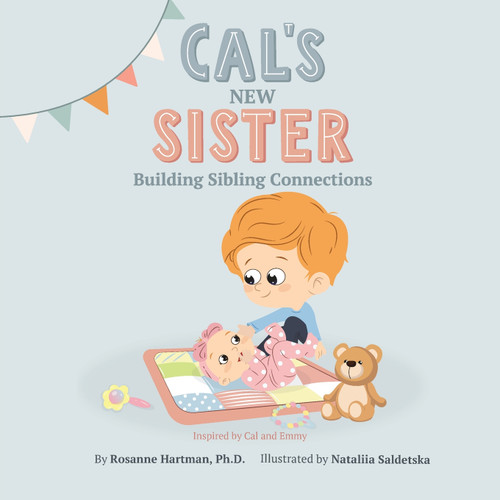
Meeting a new sister is a big event. Cal's world changes when his baby sister arrives. Building a relationship is not always easy, especially when the new sister does not seem interested. The book...