Negotiations between governments shape the world political economy and in turn the lives of people everywhere. Developing countries have become far more influential in talks in the World Trade Organization, including infamous stalemates in Seattle in 1999 and Cancún in 2003, as well as bilateral and regional talks like those that created NAFTA. Yet social science does not understand well enough the process of negotiation, and least of all the roles of developing countries, in these situations. This 2006 book sheds light on three aspects of this otherwise opaque process: the strategies developing countries use; coalition formation; and how they learn and influence other participants' beliefs. This book will be valuable for many readers interested in negotiation, international political economy, trade, development, global governance, or international law. Developing country negotiators and those who train them will find practical insights on how to avoid pitfalls and negotiate better.
First published in 1993. This book is situated at the intersection of three main areas of international relations research. The first of these areas is the study of international organisations. The...
Three years after U.S. Secretary of Education Margaret Spelling's national commission on higher education,and nearly a decade after No Child Left Behind revolutionized k12 accountability, there is...
This book shows how a constructivist account of bargaining sheds new light on the emergence of impasse situations in international trade negotiations. It uncovers the subtle ways in which...
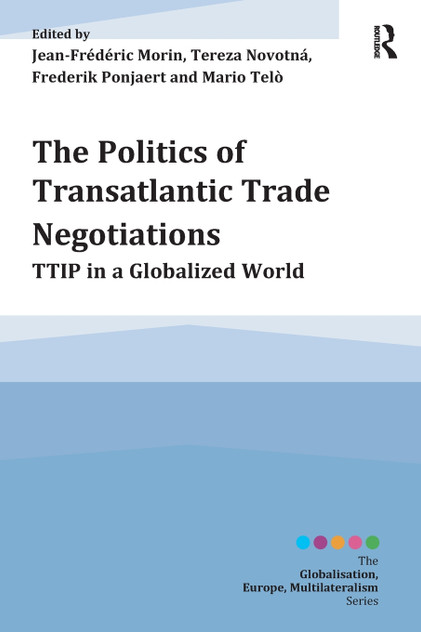
By focusing on the wider process of negotiations, this novel volume presents the first systematic analysis of the Transatlantic Trade and Investment Partnership (TTIP). The authors include...