In post-war Sierra Leone, a range of transitional justice mechanisms were implemented to address experiences of conflict, violence, and human rights violations. Much of the research on local transitional justice processes has focused on the work of organisations, failing to acknowledge how individual and communal dynamics shape and are shaped by these programs. Drawing on original fieldwork in Sierra Leone, Laura S. Martin moves beyond discussions measuring effectiveness and considers how people navigate their circumstances in conflict and post-conflict societies. Developing the idea of recognised and unrecognised transitional justice processes, Martin uses Fambul Tok as an example of a recognised local transitional justice program and shows how ordinary Sierra Leoneans appropriated Fambul Tok's agenda for their own purposes. Ultimately, this book highlights the crucial role of agency and the diverse range of actors involved in transitional justice processes. Justice, as Martin powerfully argues, is not something that happens to or for people, but is enacted by individuals and communities.
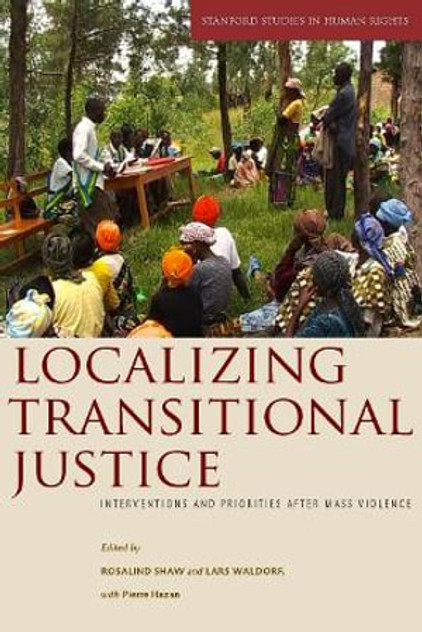
Through war crimes prosecutions, truth commissions, purges of perpetrators, reparations, and memorials, transitional justice practices work under the assumptions that truth telling leads to...
A change in pastors can be one of the most difficult times in parish life. Navigating Pastoral Transitions: A Parish Leader's Guide helps make the transition smooth and successful. By helping parish...