A heritage language is the term given to a language spoken at home by bilingual children of immigrant parents. Written by a leading figure in the field, this pioneering, in-depth study brings together three heritage languages - Hindi, Spanish and Romanian - spoken in the United States. It demonstrates how heritage speakers drive morphosyntactic change when certain environmental characteristics are met, and considers the relationship between social and cognitive factors and timing in language acquisition, bilingualism, and language change. It also discusses the implications of the findings for the language education of heritage speakers in the USA and considers how the heritage language can be maintained in the English-speaking school system. Advancing our understanding of heritage language development and change, this book is essential reading for students and researchers of linguistics and multilingualism, immigration, education studies and language policy, as well as educators and policy makers.
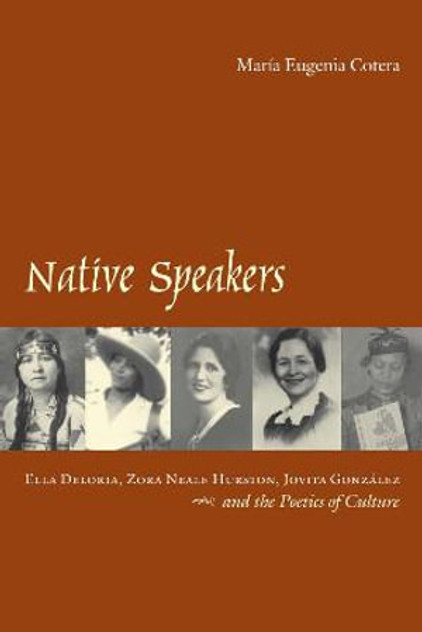
Gloria Anzaldua Book Prize, National Women's Studies Association, 2009 In the early twentieth century, three women of color helped shape a new world of ethnographic discovery. Ella Cara Deloria, a...
The main purpose of the book is to explore whether native speakerism has an influence on Polish language schools, using the explanatory mixed-methods design. The findings show that the ideology is...