Trending Bestseller

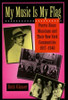
My Music Is My Flag

Ruth Glasser

No reviews yet Write a Review
Paperback / softback
23-May-1997
$70.00
Ships in 5–7 business days
Hurry up! Current stock:
Puerto Rican music in New York is given center stage in Ruth Glasser's original and lucid study. Exploring the relationship between the social history and forms of cultural expression of Puerto Ricans, she focuses on the years between the two world wars. Her material integrates the experiences of the mostly working-class Puerto Rican musicians who struggled to make a living during this period with those of their compatriots and the other ethnic groups with whom they shared the cultural landscape.
Through recorded songs and live performances, Puerto Rican musicians were important representatives for the national consciousness of their compatriots on both sides of the ocean. Yet they also played with African-American and white jazz bands, Filipino or Italian-American orchestras, and with other Latinos. Glasser provides an understanding of the way musical subcultures could exist side by side or even as a part of the mainstream, and she demonstrates the complexities of cultural nationalism and cultural authenticity within the very practical realm of commercial music.
Illuminating a neglected epoch of Puerto Rican life in America, Glasser shows how ethnic groups settling in the United States had choices that extended beyond either maintenance of their homeland traditions or assimilation into the dominant culture. Her knowledge of musical styles and performance enriches her analysis, and a discography offers a helpful addition to the text.

This product hasn't received any reviews yet. Be the first to review this product!

$70.00
Ships in 5–7 business days
Hurry up! Current stock:

My Music Is My Flag

$70.00

Description

Puerto Rican music in New York is given center stage in Ruth Glasser's original and lucid study. Exploring the relationship between the social history and forms of cultural expression of Puerto Ricans, she focuses on the years between the two world wars. Her material integrates the experiences of the mostly working-class Puerto Rican musicians who struggled to make a living during this period with those of their compatriots and the other ethnic groups with whom they shared the cultural landscape.
Through recorded songs and live performances, Puerto Rican musicians were important representatives for the national consciousness of their compatriots on both sides of the ocean. Yet they also played with African-American and white jazz bands, Filipino or Italian-American orchestras, and with other Latinos. Glasser provides an understanding of the way musical subcultures could exist side by side or even as a part of the mainstream, and she demonstrates the complexities of cultural nationalism and cultural authenticity within the very practical realm of commercial music.
Illuminating a neglected epoch of Puerto Rican life in America, Glasser shows how ethnic groups settling in the United States had choices that extended beyond either maintenance of their homeland traditions or assimilation into the dominant culture. Her knowledge of musical styles and performance enriches her analysis, and a discography offers a helpful addition to the text.

Customers Also Viewed