This is the first musicological study entirely devoted to a comprehensive analysis of musical Holocaust representations in the Western art music tradition. Through a series of chronological case studies grounded in primary source analysis, Amy Lynn Wlodarski analyses the compositional processes and conceptual frameworks that provide key pieces with their unique representational structures and critical receptions. The study examines works composed in a variety of musical languages - from Arnold Schoenberg's dodecaphonic A Survivor from Warsaw to Steve Reich's minimalist Different Trains - and situates them within interdisciplinary discussions about the aesthetics and ethics of artistic witness. At the heart of this book are important questions about how music interacts with language and history; memory and trauma; and politics and mourning. Wlodarski's detailed musical and cultural analyses provide new models for the assessment of the genre, illustrating the benefits and consequences of musical Holocaust representation in the second half of the twentieth century.
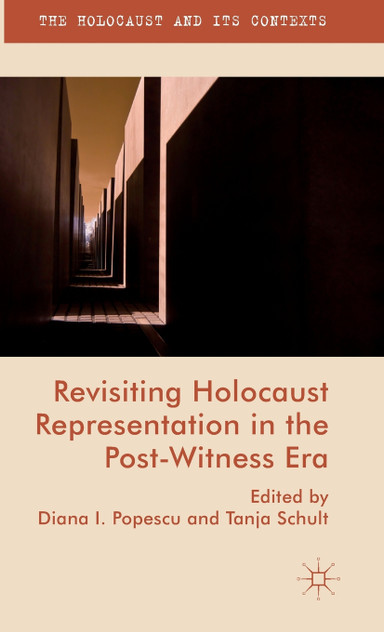
Revisiting Holocaust Representation in the Post-Witness Era shifts focus from discussions on the ethics and limits of representation to the relevance of imagination in Holocaust commemoration. It...
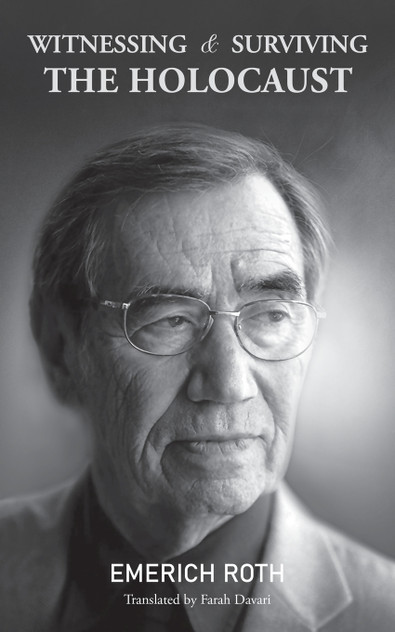
Emerich is my name. I am now an old man, shaped by the experiences that a diverse and rich life has given me. "Emerich Roth's crime was that he was a Jew. Therefore, he ended up in the Nazi...
Since Theodor Adorno's attack on the writing of poetry ''after Auschwitz,'' artists and theorists have faced the problem of reconciling the moral enormity of the Nazi genocide with the artist's...