In this groundbreaking study, Jonathan Greenberg locates a satiric sensibility at the heart of the modern. By promoting an antisentimental education, modernism denied the authority of emotion to guarantee moral and literary value. Instead, it fostered sophisticated, detached and apparently cruel attitudes toward pain and suffering. This sensibility challenged the novel's humanistic tradition, set ethics and aesthetics into conflict and fundamentally altered the ways that we know and feel. Through lively and original readings of works by Evelyn Waugh, Stella Gibbons, Nathanael West, Djuna Barnes, Samuel Beckett and others, this book analyzes a body of literature - late modernist satire - that can appear by turns aloof, sadistic, hilarious, ironic and poignant, but which continually questions inherited modes of feeling. By recognizing the centrality of satire to modernist aesthetics, Greenberg offers not only a new chapter in the history of satire but a persuasive new idea of what made modernism modern.
Colletta uses psychoanalytic theories of joke-work and gallows humour to argue that dark humour is an important, defining characteristic of Modernism. She brings together the usual suspects alongside...
This work has been selected by scholars as being culturally important, and is part of the knowledge base of civilization as we know it. This work was reproduced from the original artifact, and...
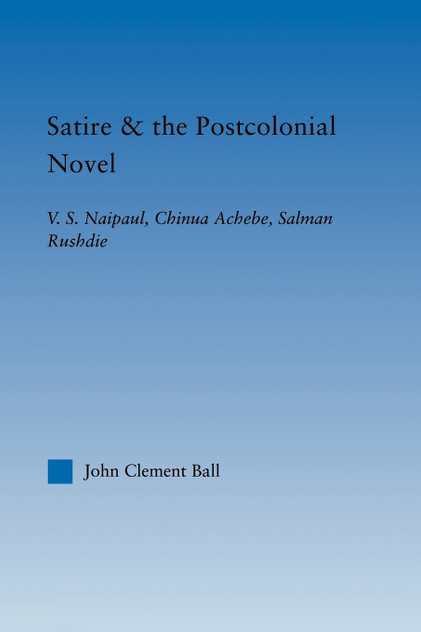
Satire plays a prominent and often controversial role in postcolonial fiction. Satire and the Postcolonial Novel offers the first study of this topic, employing the insights of postcolonial...
This work has been selected by scholars as being culturally important, and is part of the knowledge base of civilization as we know it. This work was reproduced from the original artifact, and...