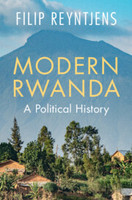
Rwanda has been the subject of much research following the genocide against the Tutsi ethnic group in 1994. Moving beyond recent histories which examine Rwanda's past predominantly through the lens of this tragic event, Filip Reyntjens utilises a longue durée framework to provide new insights into historical developments over the last hundred and fifty years. Tracking the foundations of modern Rwanda from the mid-nineteenth century to the present day, this study offers the first comprehensive examination of both the political continuities and ruptures which have shaped the country. Reyntjens examines the 19th century precolonial polity, colonisation from the end of the 19th century; the revolution of 1959-1961 followed by independence in 1962; and the 1994 genocide followed by the seizure of power by the Rwandan Patriotic Front (RPF). Across these periods of dramatic transition this study demonstrates the role of both political constancy and change, allowing readers to reshape their understanding of Rwanda's political history.
Working as an Education Advisor in a remote Rwandan district for a year gave Denis an insight into a complex society seldom experienced by casual visitors. The book is an anecdotal, humorous and...
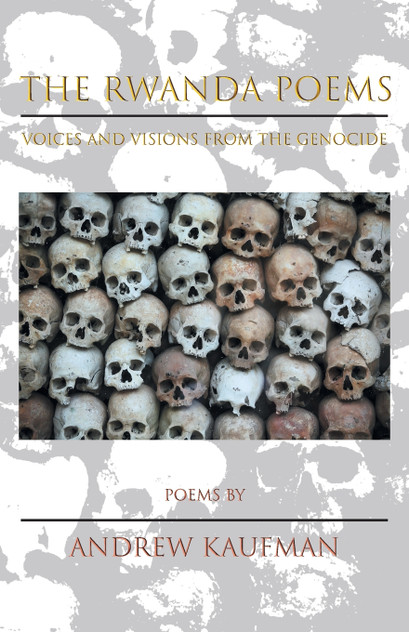
The only book of poetry to date devoted to the Rwanda genocide and published in this country, this is a work of nonfictional poetry, a cousin in genre to the nonfictional novel. It is based not...
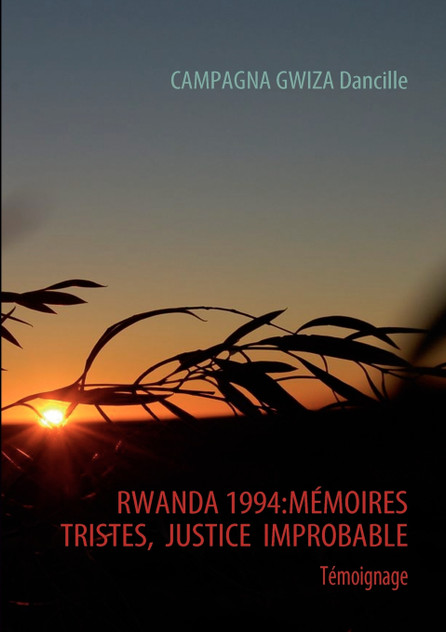
C'est un témoignage très poignant d'une mère de famille sur le génocide rwandais de 1994 depuis ses origines, sa préparation, jusqu'à son exécution barbare, sous les yeux du monde entier, qui n'a pas...