Coal has been fundamental for the development of industrial and transport technologies since the nineteenth century. Globalisation, including colonialism, would not have been possible without coal-based energy and thus the exploitation of coal in every part of the world. But coal mining is a labour-intensive activity and mine operators had to find, mobilise and direct workers to these sites to enable exploitation. The recruitment of miners often targeted groups with a perceived inferior status. This turned coal mining communities into dense social spheres characterised by the intricate dynamics of ethnic identifications, interracial relations and class formation. The twelve articles presented in this volume cover cases from Africa, Asia, the Americas, Turkey, the Soviet Union and Western Europe, as well as a broad range of topics, from segregation, forced labour and subcontracting, to labour struggles, discrimination, ethnic paternalism and sports.
This book analyzes the emergence of ethnic consciousness among Hakka-speaking people in late imperial China in the context of their migrations in search of economic opportunities. It poses three...
This book examines the development of enterprise among key migrant groups in Europe and the United States. It argues that the development of 'ethnic economies' provides the material basis for...
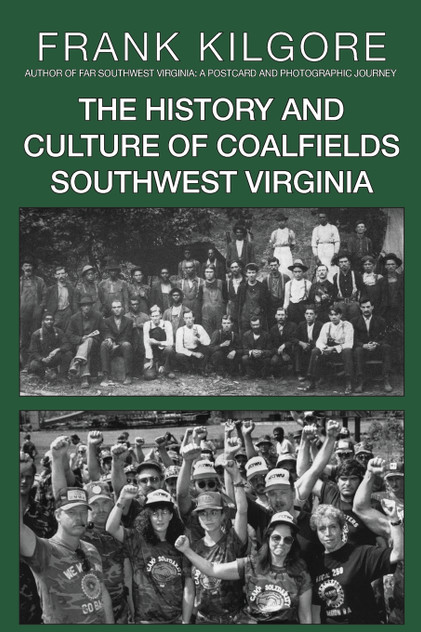
Through the eyes of a lifelong MountaineerResidents of the Appalachian Mountains of Virginia are too often unaware of the intelligence, resilience, and fierce independent spirit of their ancestors.A...