Michelangelo's Last Judgment was the most criticized and discussed painting of the sixteenth century. The subject of the Last Judgment has been a barometer of cultural mood throughout history. It can be interpreted, as Michelangelo did, as the moment when mortals attain immortal bliss or, in more unsettled times, as the terrifying moment when we face the justice of the Lord and are found wanting. The painting must hold in tension admonition and celebration. Michelangelo created his fresco in the final flowering of Renaissance humanism. Four years after its unveiling, the Council of Trent began meeting and the Counter-Reformation was under way. Caught on the cusp of a major shift of values, Michelangelo and his fresco were praised by lovers of art and condemned by conservative churchmen who sought a tool with which to exhort the wavering faithful, tempted to defect to Protestantism. This book explores the context, both historical and biographical, in which the fresco was created and the debates about the style and function of religious art that it generated.
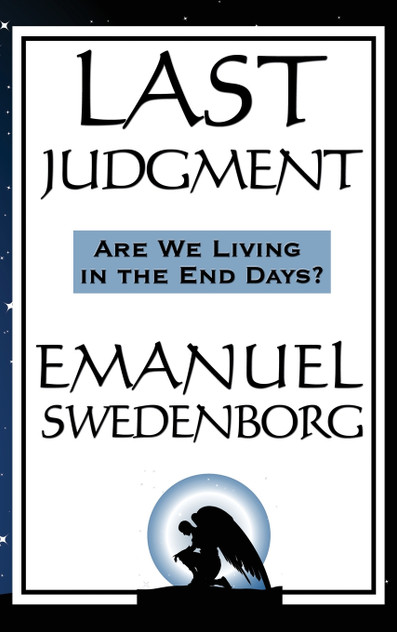
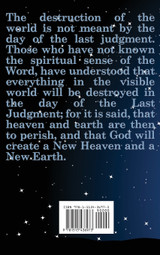
The destruction of the world is not meant by the day of the last judgment. Those who have not known the spiritual sense of the Word, have understood that everything in the visible world will be...
In a culture obsessed with law, judgment, and violence, this book challenges Christians to remember that Jesus urged his followers to judge no one, bring harm upon no one, and follow no law save the...
This is a reproduction of a book published before 1923. This book may have occasional imperfections such as missing or blurred pages, poor pictures,...
Heaven and hell are from the human race. All who have ever been born men from the beginning of creation, and are deceased, are either in heaven or in hell. The Last Judgment must be where all are...