Metal contamination is one of the most ubiquitous, persistent and complex environmental issues, encompassing legacies of the past (e.g. abandoned mines) as well as impending, but poorly studied, threats (e.g. metallo-nanomaterials). Writing for graduate students, risk assessors and environmental managers, Drs Luoma and Rainbow explain why controversies exist in managing metal contamination and highlight opportunities for policy solutions stemming from the latest advances in the field. They illustrate how the 'lateral' approach offers opportunities in both science and management, making the case that the advanced state of the science now allows bridging of traditional boundaries in the field (e.g. between field observations and laboratory toxicology). The book has a uniquely international and interdisciplinary perspective, integrating geochemistry, biology, ecology, and toxicology, as well as policy and science. It explicitly shows how science ties into today's regulatory structure, identifying opportunities for more effective risk management in the future.
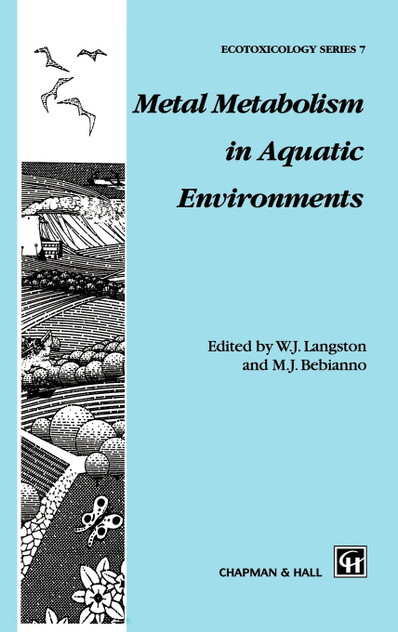
Metal Metabolism in Aquatic Environments is a synthesis of recent developments in the field of metal ecotoxicology and features a number of contemporary issues arising from the interaction of ...
Aquatic Contamination Authoritative resource presenting techniques and technologies to sustainably neutralize environmental contamination in aquatic plants, microorganisms, and more Two thirds of the...
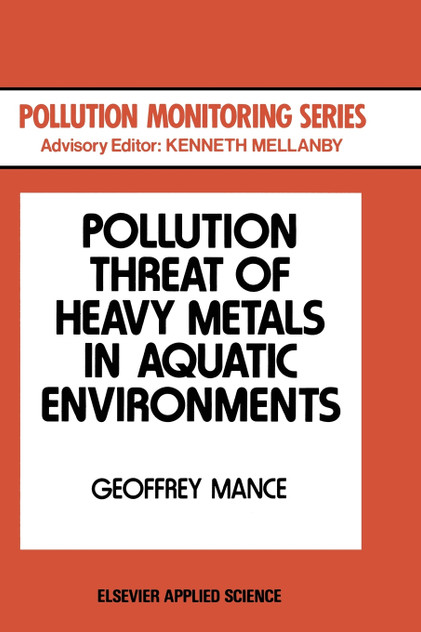
The role of the European Community in developing environmental legislation has focused the minds of pollution control agencies and industrialists on the need for, and the evidence to support, water...