In contemporary Thai Buddhism, the burgeoning popularity of vipassanā meditation is dramatically impacting the lives of those most closely involved with its practice: monks and mae chee (lay nuns) living in monastic communities. For them, meditation becomes a central focus of life and a way to transform the self. This ethnographic account of a thriving Northern Thai monastery examines meditation in detail, and explores the subjective signification of monastic duties and ascetic practices. Drawing on fieldwork done both as an analytical observer and as a full participant in the life of the monastery, Joanna Cook analyzes the motivation and experience of renouncers, and shows what effect meditative practices have on individuals and community organization. The particular focus on the status of mae chee - part lay, part monastic - provides a fresh insight into social relationships and gender hierarchy within the context of the monastery.
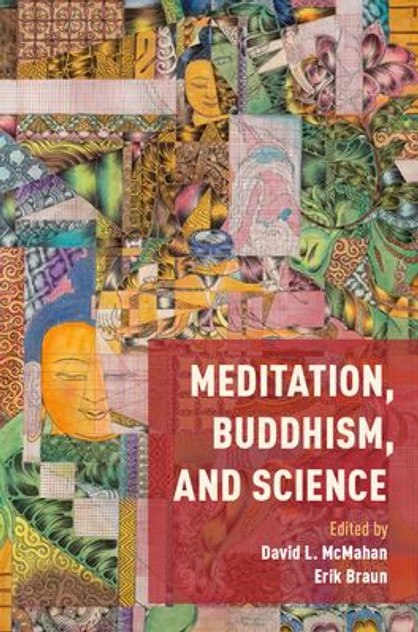
The scientific study of Buddhist forms of meditation has surged in recent years, capturing the popular imagination and reshaping conceptions of what meditation is and what it can do. For perhaps the...
Discover more serenity, power, and pleasure by exploring the healing potential of Buddhism. Buddhism for Healing gives you accessible and practical strategies to recover from stress, anxiety, and...