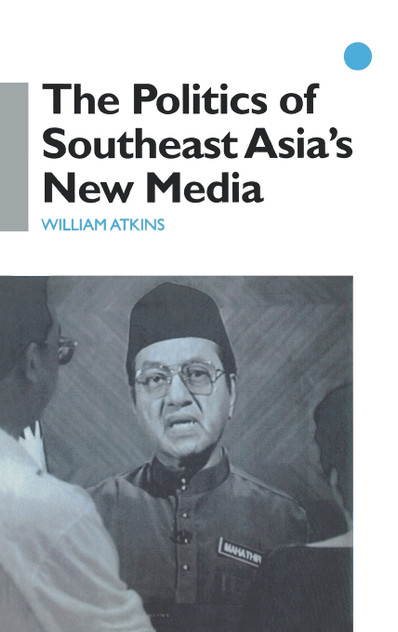
This study of Southeast Asian media and politics explores issues of global relevance pertaining to journalism's relationship with political power. It argues that the development of free, independent, and plural media has been complicated by trends towards commercialisation, digital platforms, and identity-based politics. These forces interact with state power in complex ways, opening up political space and pluralising discourse, but without necessarily producing structural change. The Element has sections on the democratic transitions of Indonesia, Myanmar and Malaysia; authoritarian resilience in Singapore; media ownership patterns in non-communist Southeast Asia; intolerance in Indonesia and Myanmar; and digital disruptions in Vietnam and Malaysia.
Examining two state-sponsored history writing projects in Indonesia and the Philippines in the 1970s, this book illuminates the contents and contexts of the two projects and, more importantly,...
Providing an analysis of multilateral power markets, this book examines power interconnection in Southeast Asia, especially among the ASEAN countries. It uses evolutionary experience of electricity...
The past decade has seen a major structural shift in broadcasting in Southeast Asia, with the development of digital satellite and cable broadcasting. This shift has impacted upon some of the most...