Measuring and Interpreting Subjective Wellbeing in Different Cultural Contexts
The scientific study of 'wellbeing' involves both objective and subjective variables. While objective wellbeing can be simply measured as tangible aspects of the living environment, measuring subjective wellbeing involves quantifying self-reported feelings. Although reliable and valid measures can be achieved, in a cross-cultural context differences in language and culture present formidable challenges to measurement comparability. This Element begins by describing the behaviour of subjective wellbeing in single cultures, using the theory of homeostasis. Robert A. Cummins then discusses cross-cultural differences in subjective wellbeing, with a focus on measurement invariance as a means of ensuring the validity of comparative results. Cummins proposes that the major barrier to creating such comparability of measurement is a pervasive response bias that differs between cultures. He concludes that current instruments are inadequate to provide valid cross-cultural measures of subjective wellbeing, and that suitable measures may be created as short forms of current scales.
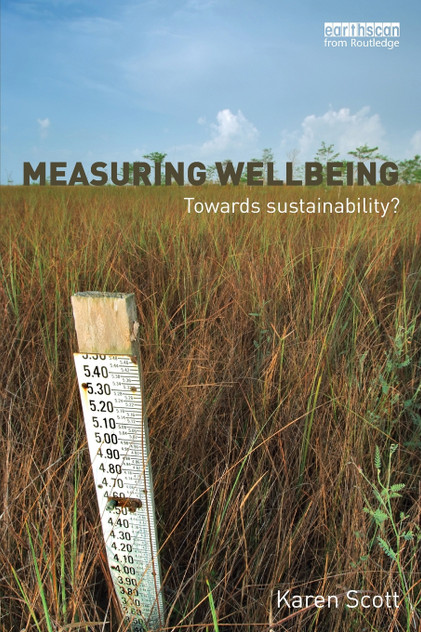
Improving wellbeing and sustainability are central goals of government, but are they in conflict? This engaging new book reviews that question and its implications for public policy through a focus...
This book is concerned with the universality of wellbeing indicators. It provides contributions from international scholars in the field of quality of life and subjective well-being. The book...
Twenty years after the fall of Communism in Central and East Europe is an ocassion to reevaluate the cultural and theological contribution from that region to the secularization - post-secularization...
Australia continues to be at the forefront of international work on measuring and promoting wellbeing, Ian Castles being a significant contributor over the last forty years as an official and...