This book is an in-depth interpretation of Max Weber as a political theorist of civil society. On the one hand, it reads Weber's ideas from the perspective of modern political thought, rather than the modern social sciences; on the other, it offers a liberal assessment of this complex political thinker without attempting to apologize for his shortcomings. Through an alternative reading of Weber's religious, epistemological and political writings, the book shows Weber's concern with public citizenship in a modern mass democracy and civil society as its cultivating ground. Kim argues Weber's political thought, thus recast, was deeply informed by Kant, Hegel, Nietzsche and other German political thinkers and also reveals an affinity to the liberal-republican tradition best represented by Mill and Tocqueville. Kim has effectively resuscitated Weber as a political thinker for our time in which civic virtues and civil society have once again become one of the dominant issues.
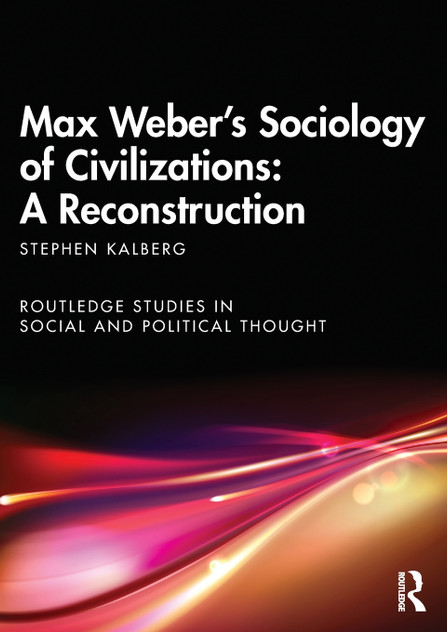
This volume examines civilizations through the broad lens articulated by the works of Max Weber. In focusing upon his comparative-historical mode of analysis and his causal explanations for the...
Max Weber's Economy and Society is widely considered the most important single work in sociology and among the most important in the history of the social sciences. This volume provides a critical...
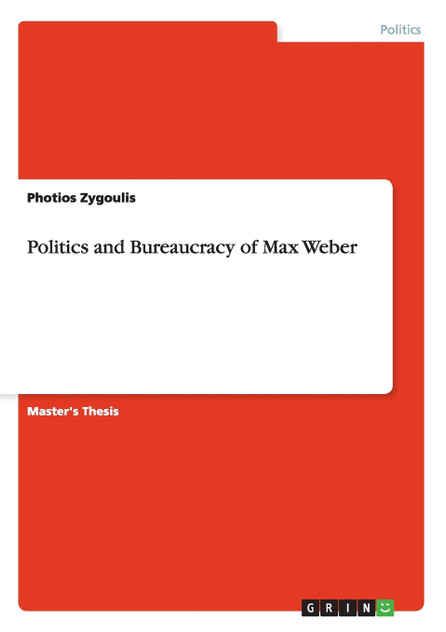
Master's Thesis from the year 2012 in the subject Politics - Political Theory and the History of Ideas Journal, Panteion University, Athen, language: Modern Greek, abstract: Το θέμα της παρούσης...