Masculinity, Militarism and Eighteenth-Century Culture, 1689-1815
This book investigates the figure of the military man in the long eighteenth century in order to explore how ideas about militarism served as vehicles for conceptualizations of masculinity. Bringing together representations of military men and accounts of court martial proceedings, this book examines eighteenth-century arguments about masculinity and those that appealed to the 'naturally' sexed body and construed masculinity as social construction and performance. Julia Banister's discussion draws on a range of printed materials, including canonical literary and philosophical texts by David Hume, Adam Smith, Horace Walpole and Jane Austen, and texts relating to the naval trials of, amongst others, Admiral John Byng. By mapping eighteenth-century ideas about militarism, including professionalism and heroism, alongside broader cultural concerns with politeness, sensibility, the Gothic past and celebrity, Julia Banister reveals how ideas about masculinity and militarism were shaped by and within eighteenth-century culture.
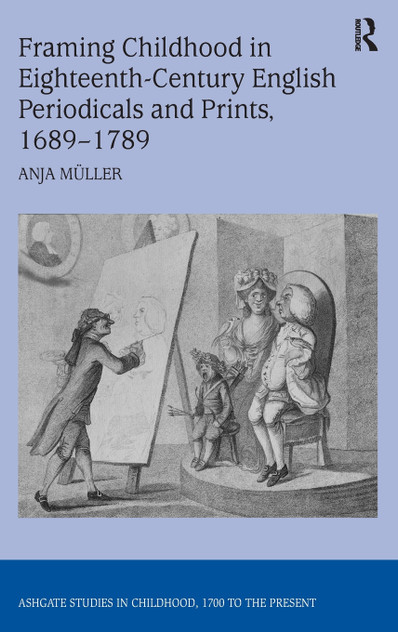
Shedding light on an important and neglected topic in childhood studies, Anja Müller interrogates how different concepts of childhood proliferated and were construed in several important...
This new volume examines the influence of trade and empire from 1689 to 1815, a crucial period for British foreign policy and state-building. Jeremy Black, a leading expert on British foreign policy,...