American family law makes two key assumptions: first, that the civil state possesses sole authority over marriage and divorce; and second, that the civil law may contain only one regulatory regime for such matters. These assumptions run counter to the multicultural and religiously plural nature of our society. This book elaborates how those assumptions are descriptively incorrect, and it begins an important conversation about whether more pluralism in family law is normatively desirable. For example, may couples rely upon religious tribunals (Jewish, Muslim, or otherwise) to decide family law disputes? May couples opt into stricter divorce rules, either through premarital contracts or 'covenant marriages'? How should the state respond? Intentionally interdisciplinary and international in scope, this volume contains contributions from fourteen leading scholars. The authors address the provocative question of whether the state must consider sharing its jurisdictional authority with other groups in family law.
The Making of the Modern Law: Legal Treatises, 1800-1926 includes over 20,000 analytical, theoretical and practical works on American and British Law. It includes the writings of major legal...
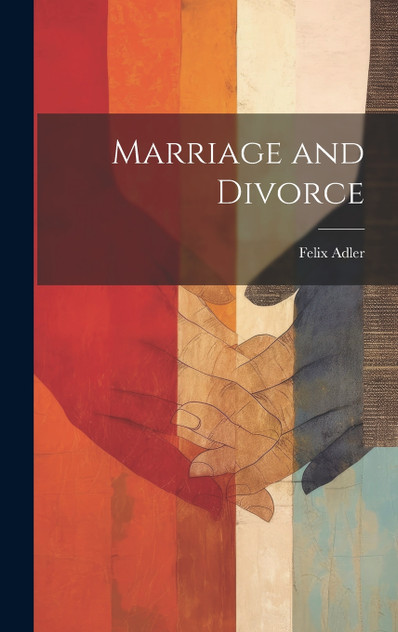
Written in 1905, this book delves into the social and moral aspects of marriage and divorce. Adler's clear and lucid style makes this work accessible to a wide audience, and it remains relevant and...
This collection includes five long one-act plays: THE AWFUL TOOTH, BLASTED EVENT, DEAD WRONG, POTTY FAVORS, and SHE CAN’T BARE IT! Master Belle Époque farceur Georges Feydeau loosely based these...
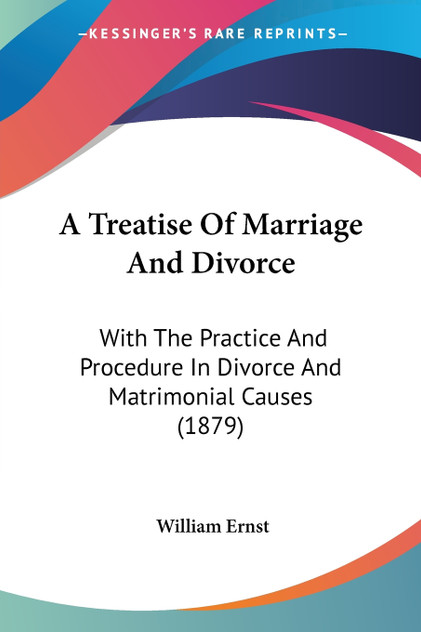
A Treatise Of Marriage And Divorce: With The Practice And Procedure In Divorce And Matrimonial Causes is a legal book written by William Ernst and originally published in 1879. The book provides a...
This work has been selected by scholars as being culturally important, and is part of the knowledge base of civilization as we know it. This work was reproduced from the original artifact, and...