Sometimes politicians run for office promising one set of policies, and if they win, switch to very different ones. Latin American presidents in recent years have frequently run promising to avoid pro-market reforms and harsh economic adjustment, then win and transform immediately into enthusiastic market reformers. Does it matter when politicians ignore the promises they made and the preferences of their constituents? If politicians want to be reelected or see their party reelected at the end of their term, why would they impose unpopular policies? Susan Stokes develops a model of policy switches and tests it with statistical and qualitative data from Latin American elections over the last two decades. She concludes that politicians may change policies because unpopular policies are best for constituents and best serve their own political ambitions. Nevertheless, even though good representatives sometimes switch policies, abrupt change tends to erode the quality of democracy.
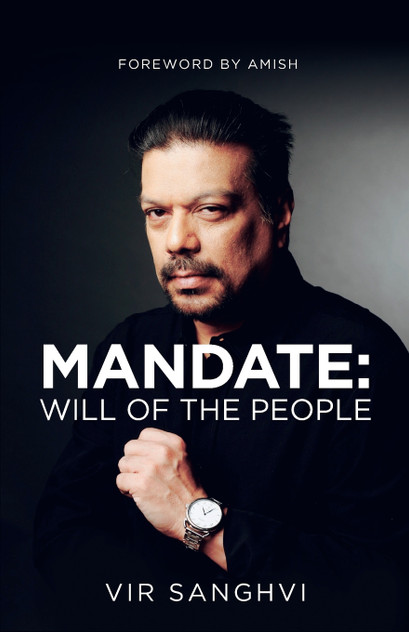
This is the first easy-to-read book about recent Indian political history. Pegged on the general elections that shaped today's India, Mandate: Will of the People tells the story of Indian politics in...
This is a reproduction of a book published before 1923. This book may have occasional imperfections such as missing or blurred pages, poor pictures, errant marks,...
With the sudden declaration of independence, the farmers in San Salvador lost all their subsidies from the Crown. To compensate, several locals plotted to loot the wealthy Spaniards amongst them. A...