Trending Bestseller

Management of non-severe head injuries

Ahmed Harbaoui

No reviews yet Write a Review
Paperback / softback
14 November 2024
$56.00
Ships in 5–7 business days
Hurry up! Current stock:
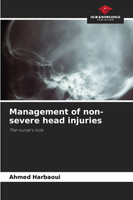
Introduction: Non-severe traumatic brain injury (TBI) is defined by a Glasgow score of 9 or higher, and is a frequent pathology in the neurosurgical setting. Objectives: The aim of this study is to describe the epidemio-clinical and prognostic aspects, the therapeutic modalities and the role of the nurse in its management.Methods: This was a retrospective study based on 61 patient records from a seven-year period (2014-2020) who had been treated for non-severe head injury.Results: The mean age of our population was 45 years, with a male predominance (sex ratio=2.05). The main causes of CT were public road accidents (55.8%) and domestic accidents (31.1%). The main lesions found were extradural hematomas (50.8%) and embarrures (24.6%). Treatment was mainly surgical (62.3%).Conclusions: Head trauma requires multidisciplinary management.The nurse plays a vital role in its management, as well as in psychological care and support for families and relatives.
This product hasn't received any reviews yet. Be the first to review this product!

$56.00
Ships in 5–7 business days
Hurry up! Current stock:

Management of non-severe head injuries

$56.00

Description

Introduction: Non-severe traumatic brain injury (TBI) is defined by a Glasgow score of 9 or higher, and is a frequent pathology in the neurosurgical setting. Objectives: The aim of this study is to describe the epidemio-clinical and prognostic aspects, the therapeutic modalities and the role of the nurse in its management.Methods: This was a retrospective study based on 61 patient records from a seven-year period (2014-2020) who had been treated for non-severe head injury.Results: The mean age of our population was 45 years, with a male predominance (sex ratio=2.05). The main causes of CT were public road accidents (55.8%) and domestic accidents (31.1%). The main lesions found were extradural hematomas (50.8%) and embarrures (24.6%). Treatment was mainly surgical (62.3%).Conclusions: Head trauma requires multidisciplinary management.The nurse plays a vital role in its management, as well as in psychological care and support for families and relatives.
Customers Also Viewed