


Trending Bestseller
Magic and Impotence in the Middle Ages
Magic and Impotence in the Middle Ages investigates the widely held medieval belief that magic could cause sexual dysfunction. It focuses mainly on the period 1150-1450, and compares sources from four genres: confessors' manuals, medical compendia, canon law commentaries, and commentaries on the Sentences of Peter Lombard. This comparison shows that ideas about the definition and legitimacy of magic were surprisingly varied, and also reveals
much new information about popular magical practices.
Hardback
01-February-2006
RRP:
$442.00
$295.00
Ships in 3-5 business days

Magic and Impotence in the Middle Ages
RRP:
$442.00
$295.00
Description
Magic and Impotence in the Middle Ages investigates the common medieval belief that magic could cause impotence, focusing particularly on the period 1150-1450. The subject has never been studied in detail before, but there is a surprisingly large amount of information about it in four kinds of source: confessors' manuals; medical compendia that discussed many illnesses; commentaries on canon law; and theological commentaries on the Sentences of
Peter Lombard. Although most historians of medieval culture focus on only one or two of these kinds of source, a broader comparison reveals that medieval writers held surprisingly diverse opinions about what magic was,
how it worked, and whether it was ever legitimate to use it.Medieval discussions of magically caused impotence also include a great deal of information about magical practices, most of which have not been studied before. In particular, these sources say a great deal about popular magic, a subject which has been particularly neglected by historians because the evidence is scanty and difficult to interpret. Magic and Impotence makes new information about popular
magic available for the first time.Magic and Impotence also examines why the authors of legal, medical, and theological texts were so interested in popular magical practices relating to
impotence. It therefore uses magically caused impotence as a case-study to explore the relationship between elite and popular culture. In particular, this study emphasizes the importance of the thirteenth-century pastoral reform movement, which sought to enforce more orthodox religious practices. Historians have often noted that this movement brought churchmen into contact with popular beliefs, but this is the first study to demonstrate the profound effect it had on theological and legal
ideas about magic.
You May Like
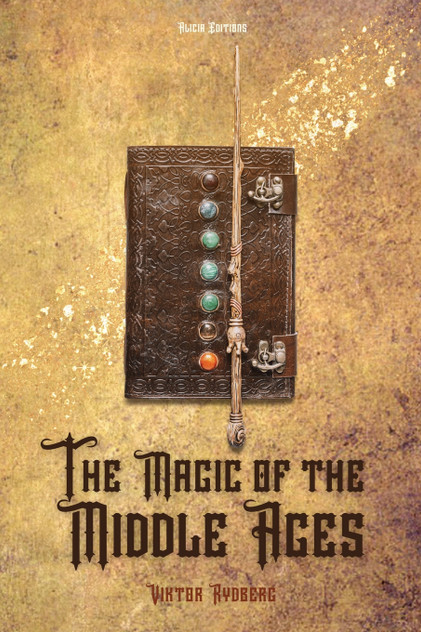
The Magic of the Middle Ages
Embark on a captivating journey through the enchanting realms of medieval allure with this book, as Viktor Rydberg, a prominent 19th-century Swedish writer and scholar, skillfully guides readers...
$23.00
