Trending Bestseller

Light is a Messenger

No reviews yet Write a Review
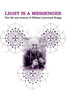
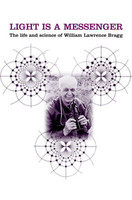
"Light is a Messenger" is the first biography of Sir Lawrence Bragg, the youngest person ever to win a Nobel Prize. Bragg won the Nobel Prize for discovering how to use X-rays to determine the atomic structures of crystals and molecules. He was director of the research unit in which James Watson and Francis Crick discovered the double helix structure of DNA.
Hardback
01-June-2004
RRP: $188.95
$155.00
Ships in 3-5 business days
Hurry up! Current stock:
"Light is a Messenger" is the first biography of William Lawrence Bragg, who was only 25 when he won the 1915 Nobel Prize in Physics - the youngest person ever to win a Nobel Prize. It describes how Bragg discovered the use of X-rays to determine the arrangement of atoms in crystals and his pivotal role in developing this technique to the point that structures of the most complex molecules known to Man - the proteins and nucleic acids - could be solved. Although Bragg's Nobel Prize was for physics, his research profoundly affected chemistry and the new field of molecular biology, of which he became a founding figure. This book explains how these revolutionary scientific events occurred while Bragg struggled to emerge from the shadow of his father, Sir William Bragg, and amidst a career-long rivalry with the brilliant American chemist, Linus Pauling.

This product hasn't received any reviews yet. Be the first to review this product!

RRP: $188.95
$155.00
Ships in 3-5 business days
Hurry up! Current stock:

Light is a Messenger

RRP: $188.95
$155.00

Description

"Light is a Messenger" is the first biography of William Lawrence Bragg, who was only 25 when he won the 1915 Nobel Prize in Physics - the youngest person ever to win a Nobel Prize. It describes how Bragg discovered the use of X-rays to determine the arrangement of atoms in crystals and his pivotal role in developing this technique to the point that structures of the most complex molecules known to Man - the proteins and nucleic acids - could be solved. Although Bragg's Nobel Prize was for physics, his research profoundly affected chemistry and the new field of molecular biology, of which he became a founding figure. This book explains how these revolutionary scientific events occurred while Bragg struggled to emerge from the shadow of his father, Sir William Bragg, and amidst a career-long rivalry with the brilliant American chemist, Linus Pauling.
Customers Also Viewed