Drawing on recent research in moral psychology and neuroscience, this book argues that universal moral beliefs and emotions shaped the evolution of the laws of war, and in particular laws that protect civilians. It argues that civilian protection norms are not just a figment of the modern West, but that these norms were embryonic in earlier societies and civilizations, including Ancient China, early Islam, and medieval Europe. However, despite their ubiquity, this book argues that civilian protection rules are inherently fragile, and that their fragility lies not just in failures of compliance, but also in how moral emotions shaped the design of the law. The same beliefs and emotions that lead people to judge that it is wrong to intentionally target civilians can paradoxically constitute the basis for excusing states for incidental civilian casualties, or collateral damage. To make the laws of war work better for civilians, this book argues that we need to change how we think about the ethics of killing in war.
Between 1890 and 1930, the port city of Guayaquil, Ecuador, experienced a liberal revolution and a worker's movement-key elements in shaping the Ecuadorian national identity. In this book, O. Hugo...
Situates changes in the nature of money and the rise of sophisticated financial structures at the centre of the Enlightenment. This work argues that paper credit instruments were causal - critical to...
What if the job of police was to cultivate the political will of a community to live with itself (rather than enforce law, keep order, or fight crime)? In Sentiment, Reason, and Law, Jeffrey T...
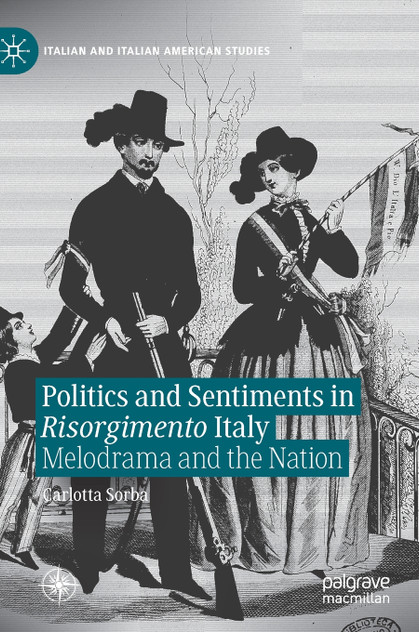
This book investigates the narrative of nationhood during the Italian Risorgimento and its ability to reach a new and wider audience. In Italy, an extraordinary emotional excitement pervaded the...