Eighteenth-century landscape description formed part of a larger debate over the nature of liberty and authority which was vital to a Britain newly defining its nationhood in a period of growing imperial power and rapid economic change. Tim Fulford examines landscape description in the writings of Thomson, Cowper, Johnson, Gilpin, Repton, Wordsworth, Coleridge and others, revealing tensions that arose as writers struggled for authority over the public sphere and sought to redefine the nature of that authority. In his investigation of poetry and political and aesthetic writing, Dr Fulford throws light on the legacy of Commonwealth and Country-party ideas of liberty. Also discussed are the significance of the Miltonic sublime, the politics of the picturesque and the post-colonial encounter of the Scottish tour. Dr Fulford goes on to show how the early radicalism and later conservatism of Wordsworth and Coleridge were shaped, in part, by eighteenth-century literary political and literary authorities. His study offers an understanding of literary and political influence that cuts across conventional periodization, finding new links between the early eighteenth and nineteenth centuries.
This work has been selected by scholars as being culturally important, and is part of the knowledge base of civilization as we know it.This work is in the "public domain in the United States of...
This work has been selected by scholars as being culturally important, and is part of the knowledge base of civilization as we know it. This work was reproduced from the original artifact, and...
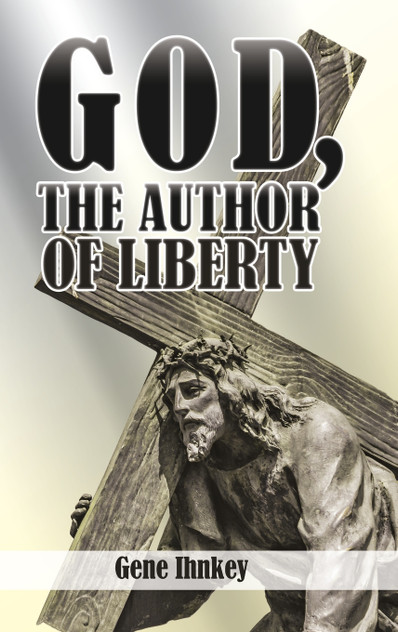
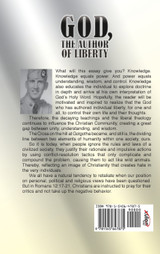
What will this essay give you? Knowledge. Knowledge equals power. And power equals understanding, wisdom, and control. Knowledge also educates the individual to explore doctrine in depth and arrive...
This is a reproduction of a book published before 1923. This book may have occasional imperfections such as missing or blurred pages, poor pictures,...
Victorian Britain is often considered as the high point of 'laissez-faire', the place and the time when people were most 'free' to make their own lives without the aid or interference of the State. ...