Trending Bestseller

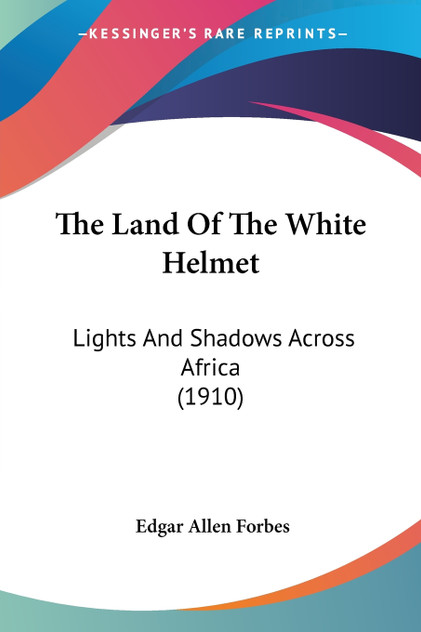
Land of Blue Helmets

Karim Makdisi

No reviews yet Write a Review
Hardback
18-October-2016
$200.00
In Stock: Ships in 3-5 Days
Hurry up! Current stock:
Born in 1945, the United Nations came to life in the Arab world. It was there that the UN dealt with early diplomatic challenges that helped shape its institutions such as peacekeeping and political mediation. It was also there that the UN found itself trapped in, and sometimes part of, confounding geopolitical tensions in key international conflicts in the Cold War and post–Cold War periods, such as hostilities between Palestine and Iraq and between Libya and Syria. Much has changed over the past seven decades, but what has not changed is the central role played by the UN. This book’s claim is that the UN is a constant site of struggle in the Arab world and equally that the Arab world serves as a location for the UN to define itself against the shifting politics of its age. Looking at the UN from the standpoint of the Arab world, this volume collects some of the finest scholars and practitioners writing about the potential and the problems of a UN that is framed by both the promises of its Charter and the contradictions of its member states. This is a landmark book—a close and informed study of the UN in the region that taught the organization how to do its many jobs.

This product hasn't received any reviews yet. Be the first to review this product!

$200.00
In Stock: Ships in 3-5 Days
Hurry up! Current stock:

Land of Blue Helmets

$200.00

Description

Born in 1945, the United Nations came to life in the Arab world. It was there that the UN dealt with early diplomatic challenges that helped shape its institutions such as peacekeeping and political mediation. It was also there that the UN found itself trapped in, and sometimes part of, confounding geopolitical tensions in key international conflicts in the Cold War and post–Cold War periods, such as hostilities between Palestine and Iraq and between Libya and Syria. Much has changed over the past seven decades, but what has not changed is the central role played by the UN. This book’s claim is that the UN is a constant site of struggle in the Arab world and equally that the Arab world serves as a location for the UN to define itself against the shifting politics of its age. Looking at the UN from the standpoint of the Arab world, this volume collects some of the finest scholars and practitioners writing about the potential and the problems of a UN that is framed by both the promises of its Charter and the contradictions of its member states. This is a landmark book—a close and informed study of the UN in the region that taught the organization how to do its many jobs.

Customers Also Viewed