This is a pioneering survey of the rise of internationalism as a mainstream political idea mobilised in support of the ambitions of indigenous populations, feminists and anti-colonialists, as well as politicians, economists and central bankers. Leading scholars trace the emergence of intergovernmental organisations such as the League of Nations, the United Nations, the International Labour Organisation and the World Health Organisation, and the corresponding expansion in transnational sociability and economic entanglement throughout the long twentieth century. They reveal how international thought helped to drive major transformations in the governance of global issues from refugees to slavery and sex-trafficking, from the environment to women's rights and human rights, and from state borders and national minorities to health, education, trade and commerce. In challenging dominant perceptions of how contemporaries thought of nations, states and empires, Internationalisms radically alters our understanding of the major events and ideas that shaped twentieth-century politics, culture, economics and society.
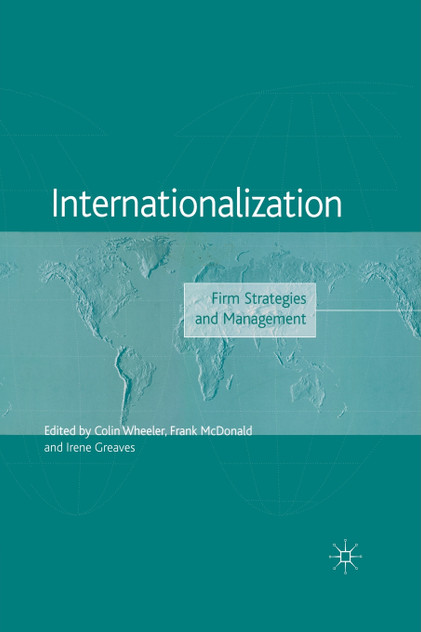
This is the 10th volume of The Academy of International Business book series bringing together the latest research on firm strategies and management and the internationalization of the firm from the...
This work has been selected by scholars as being culturally important, and is part of the knowledge base of civilization as we know it. This work was reproduced from the original artifact, and...
The doctoral thesis investigates various strategies in the area of going and being international of retail firms which is of undisputable relevance due to the fairly narrow research status and the...