Insurgent Collective Action and Civil War in El Salvador
Widespread support among rural people for the leftist insurgency during the civil war in El Salvador challenges conventional interpretations of collective action. Those who supplied tortillas, information, and other aid to guerillas took mortal risks and yet stood to gain no more than those who did not. Wood's rich tapestry of explanation is based on oral histories gathered from peasants who supported the insurgency and those who did not over a period of many years during and immediately following the war, and interviews with military commanders of both sides. Peasants supported the FMLN, Wood found, not for any material gain that was contingent on their participation, but rather for moral and emotional reasons. Wood's alternative model places emotions and morals, as well as conventional interests, at the heart of collective action.
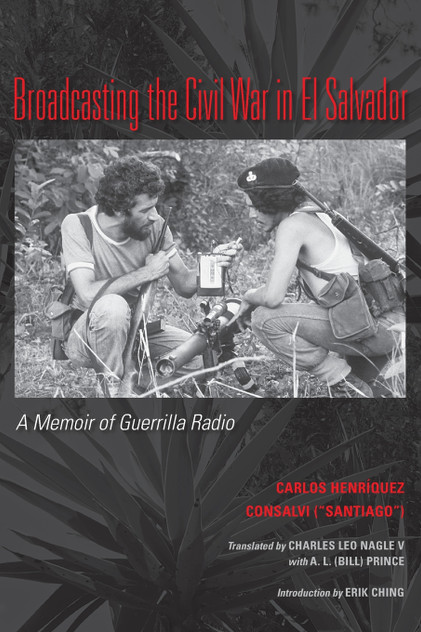
During the 1980s war in El Salvador, Radio Venceremos was the main news outlet for the Frente Farabundo Martí para la Liberación Nacional (FMLN), the guerrilla organization that challenged the...
In this paper, I will first develop a brief history of El Salvador. Next, I will describe the political situation in El Salvador and its relation to American political assistance during the 1980s war...
<b>Who would murder one of the most respected priests of South America?</b><br><br><i>Óscar Romero, a respected Catholic priest, called on soldiers, as Christians, to...