For over four decades, drug trafficking gangs have monopolized violence and engaged in various forms of governance across hundreds of informal neighborhoods known as favelas in Rio de Janeiro. Drawing on three years of ethnographic fieldwork, over 200 interviews with gang members and residents, 400 archival documents, and 20,000 anonymous hotline denunciations of gang members, this book provides a comprehensive examination of the causes and consequences of these governance arrangements. The book documents the variation in gang-resident relationships - from responsive relations in which gangs provide a reliable form of order and stimulate the local economy, to coercive and unresponsive relations in which gangs offers residents few benefits - then identifies the factors that account for this variation. The result is an unprecedented ethnographic study that provides readers a unique, in-depth insight into the evolution of Rio de Janeiro's drug trafficking gangs from their emergence in the 1970s to the present day.
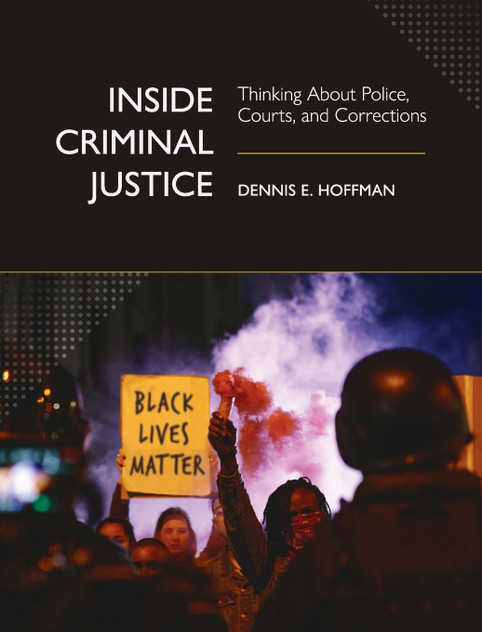
Inside Criminal Justice: Thinking about Police, Courts, and Corrections provides students with a comprehensive and critical exploration of the U.S. criminal justice system.Opening chapters introduce...
Discover the hidden forces that shaped one of the most significant health care reforms in US history. In A Government of Insiders, William Genieys traces the winding path from the failed health...
Inside the Criminal Justice Organization: An Anthology for Practitioners features a carefully curated selection of readings that help students better understand the inner workings of justice-based...
This work is a multidisciplinary analysis of the issue of insider dealing from the perspective of the applicability of criminal law to regulate it. First, it examines the nature of its prohibition in...