Trending Bestseller

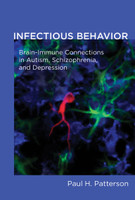
Infectious Behavior

No reviews yet Write a Review
Paperback / softback
13-September-2013
176 Pages
$73.00
Ships in 3-5 business days
Hurry up! Current stock:
An examination of brain-immune system communication in autism, schizophrenia, and depression.

In Infectious Behavior, neurobiologist Paul Patterson examines the involvement of the immune system in autism, schizophrenia, and major depressive disorder. Although genetic approaches to these diseases have garnered the lion's share of publicity and funding, scientists are uncovering evidence of the important avenues of communication between the brain and the immune system and their involvement in mental illness. Patterson focuses on this brain-immune crosstalk, exploring the possibility that it may help us understand the causes of these common, but still mysterious, diseases. The heart of this engaging book, accessible to nonscientists, concerns the involvement of the immune systems of the pregnant woman and her fetus, and a consideration of maternal infection as a risk factor for schizophrenia and autism. Patterson reports on research that may shed light on today's autism epidemic. He also outlines the risks and benefits of both maternal and postnatal vaccinations.

In the course of his discussion, Patterson offers a short history of immune manipulation in treating mental illness (recounting some frightening but fascinating early experiments) and explains how the immune system influences behavior and how the brain regulates the immune system, looking in particular at stress and depression. He examines the prenatal origins of adult disease and evidence for immune involvement in autism, schizophrenia, and depression. Finally, he describes the promise shown by recent animal experiments that have led to early clinical trials of postnatal and adult treatments for patients with autism and related disorders.


An examination of brain-immune system communication in autism, schizophrenia, and depression.

In Infectious Behavior, neurobiologist Paul Patterson examines the involvement of the immune system in autism, schizophrenia, and major depressive disorder. Although genetic approaches to these diseases have garnered the lion's share of publicity and funding, scientists are uncovering evidence of the important avenues of communication between the brain and the immune system and their involvement in mental illness. Patterson focuses on this brain-immune crosstalk, exploring the possibility that it may help us understand the causes of these common, but still mysterious, diseases. The heart of this engaging book, accessible to nonscientists, concerns the involvement of the immune systems of the pregnant woman and her fetus, and a consideration of maternal infection as a risk factor for schizophrenia and autism. Patterson reports on research that may shed light on today's autism epidemic. He also outlines the risks and benefits of both maternal and postnatal vaccinations.

In the course of his discussion, Patterson offers a short history of immune manipulation in treating mental illness (recounting some frightening but fascinating early experiments) and explains how the immune system influences behavior and how the brain regulates the immune system, looking in particular at stress and depression. He examines the prenatal origins of adult disease and evidence for immune involvement in autism, schizophrenia, and depression. Finally, he describes the promise shown by recent animal experiments that have led to early clinical trials of postnatal and adult treatments for patients with autism and related disorders.

This product hasn't received any reviews yet. Be the first to review this product!

$73.00
Ships in 3-5 business days
Hurry up! Current stock:

Infectious Behavior

$73.00

Description

An examination of brain-immune system communication in autism, schizophrenia, and depression.

In Infectious Behavior, neurobiologist Paul Patterson examines the involvement of the immune system in autism, schizophrenia, and major depressive disorder. Although genetic approaches to these diseases have garnered the lion's share of publicity and funding, scientists are uncovering evidence of the important avenues of communication between the brain and the immune system and their involvement in mental illness. Patterson focuses on this brain-immune crosstalk, exploring the possibility that it may help us understand the causes of these common, but still mysterious, diseases. The heart of this engaging book, accessible to nonscientists, concerns the involvement of the immune systems of the pregnant woman and her fetus, and a consideration of maternal infection as a risk factor for schizophrenia and autism. Patterson reports on research that may shed light on today's autism epidemic. He also outlines the risks and benefits of both maternal and postnatal vaccinations.

In the course of his discussion, Patterson offers a short history of immune manipulation in treating mental illness (recounting some frightening but fascinating early experiments) and explains how the immune system influences behavior and how the brain regulates the immune system, looking in particular at stress and depression. He examines the prenatal origins of adult disease and evidence for immune involvement in autism, schizophrenia, and depression. Finally, he describes the promise shown by recent animal experiments that have led to early clinical trials of postnatal and adult treatments for patients with autism and related disorders.


An examination of brain-immune system communication in autism, schizophrenia, and depression.

In Infectious Behavior, neurobiologist Paul Patterson examines the involvement of the immune system in autism, schizophrenia, and major depressive disorder. Although genetic approaches to these diseases have garnered the lion's share of publicity and funding, scientists are uncovering evidence of the important avenues of communication between the brain and the immune system and their involvement in mental illness. Patterson focuses on this brain-immune crosstalk, exploring the possibility that it may help us understand the causes of these common, but still mysterious, diseases. The heart of this engaging book, accessible to nonscientists, concerns the involvement of the immune systems of the pregnant woman and her fetus, and a consideration of maternal infection as a risk factor for schizophrenia and autism. Patterson reports on research that may shed light on today's autism epidemic. He also outlines the risks and benefits of both maternal and postnatal vaccinations.

In the course of his discussion, Patterson offers a short history of immune manipulation in treating mental illness (recounting some frightening but fascinating early experiments) and explains how the immune system influences behavior and how the brain regulates the immune system, looking in particular at stress and depression. He examines the prenatal origins of adult disease and evidence for immune involvement in autism, schizophrenia, and depression. Finally, he describes the promise shown by recent animal experiments that have led to early clinical trials of postnatal and adult treatments for patients with autism and related disorders.

Customers Also Viewed