Understanding human behaviour, thoughts, and emotional expressions can be challenging in the global context. Due to cultural differences, the study of psychology cannot be de-contextualised. This calls for unearthing of the explanatory systems that exist in Africa to understand and account for behaviour, emotions, and cognition of Africans. This call is addressed through the emergence of African Psychology (AP) or Indigenous Psychology in Africa (IPA) as a legitimate science of human experience. This Element discusses the motivations for AP, centrality of culture, demarcations of AP, and the different strands within AP. It highlights issues related to African philosophy, African cultural anthropology, African philosophy of science, and suitable methodological approaches for AP research. It also discusses some selected theoretical contributions and applications of AP. The Element concludes that AP researchers and practitioners need to pursue interdisciplinarity and avoid meaningless rejection of good ideas from other cultural settings.
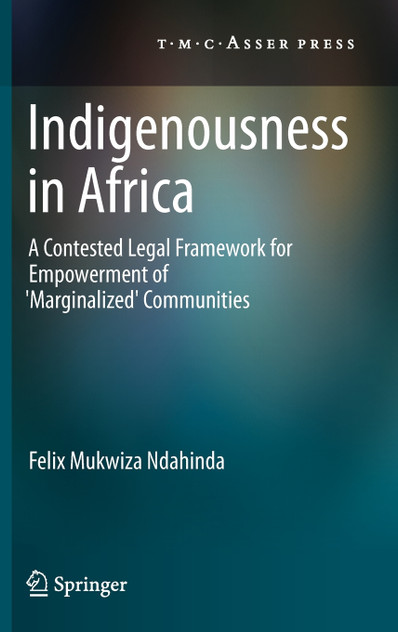
With a Foreword by Prof. Asbjørn Eide, a former Chairman of the UN Working Group on Indigenous Populations, Chairman of the UN Working Group on Minorities, President of the Advisory Committee on...
This book investigates the formation, configuration and consolidation of elites amongst Kenya's Maasai. The Maasai ethnic group is one of the world's most anthropologized populations, but research...