Why and how did the British people come to see themselves as living in a society centred around a middle class? The answer provided by Professor Wahrman challenges most prevalent historical narratives: the key to understanding changes in conceptualisations of society, the author argues, lies not in underlying transformations of social structure - in this case industrialisation, which supposedly created and empowered the middle class - but rather in changing political configurations. Firmly grounded in a close reading of an extensive array of sources, and supported by comparative perspectives on France and America, the book offers a nuanced model for the interplay between social reality, politics, and the languages of class.
A fascinating meld of two scholars' research and conclusions, The Imagination of Class is a synthetic journey through middle-class Victorian discourse posed by poverty in the midst of plenty-but not...
A Middle Class: And Other Sermons is a collection of religious sermons written by John Thomas Jeffcock and first published in 1881. The book is a reflection of the Victorian era, where the middle...
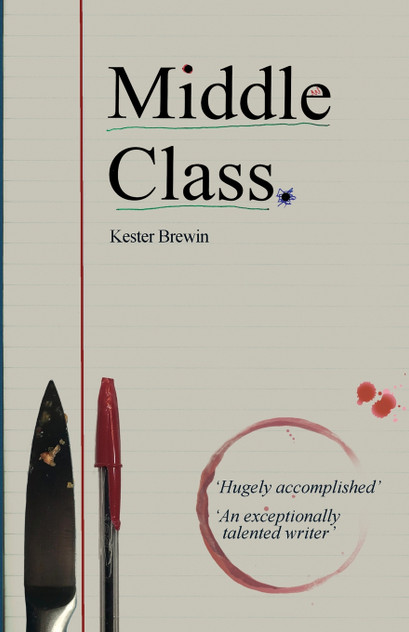
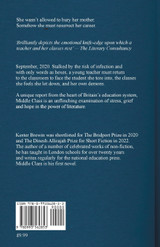
'Hugely accomplished' - Lucy Morris, Curtis Brown'An exceptionally talented writer' - Emma Finn, Conville & Walsh'Brilliantly depicts the emotional knife-edge on which a teacher and her classes...
An incisive and thought-provoking study of the development and social significance of the middle class in modern society. Rosett draws on a wide range of historical and sociological sources to...