Trending Bestseller

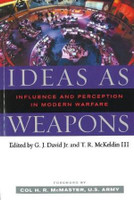
Ideas as Weapons

G. J. David

No reviews yet Write a Review
Paperback / softback
458 Pages
$61.00
Ships in 3-5 business days
Hurry up! Current stock:
The United States has struggled to define its approach to what has been called the ?information battlefield? since the information era began. Yet with the outbreak of the war on terror, the United States has been violently challenged to take a position and react to the militants? use of emerging information technology. Ideological demigods operating against the United States now have unprecedented channels by which to disseminate their message to those targets who are uncertain, sympathetic, or actively supportive of their philosophy. From the caves of southeastern Afghanistan to the streets of Baghdad, ?the message? has dominated the thinking of those who perpetrate horrific acts of violence, whether in the name of ideology, ethnic and sectarian partisanship, or religion. This anthology is divided into four sections: geopolitical, strategic, operational, and tactical. The geopolitical perspective covers world politics, diplomacy, and the elements of national power, excluding military force. The strategic view examines where the violence has begun and the military element of power. The operational perspective handles the campaigns to accomplish a specific purpose on the world stage?for example, as in the Iraq campaign. The tactical level takes the individual?s role into account. Because the nexus of information conflict is most easily seen in the world?s contemporary violent confrontations, this anthology reflects the experience and lessons learned by military personnel who have managed these difficult issues. With a foreword by Colonel H. R. McMaster, U.S. Army, the author of Dereliction of Duty: Johnson, McNamara, the Joint Chiefs of Staff, and the Lies That Led to Vietnam. About The Editors: G. J. David, Jr., is an active-duty major in the United States Marine Corps with field experience in the operating forces, with the Joint Staff, and with the national intelligence agencies and military services of the United States and other nations. He has also worked as a congressional staffer. He is a resident of Arlington, Virginia. T. R. McKeldin III began his service in the Marine Corps as a combat engineer and is now an intelligence officer. A native of Baltimore, Maryland, he now lives and works in the Washington, D.C., region. SELLING POINT: Suggests practical ways of improving information operations. Introduces contributors with the best practitioner expertise and scholarly insight into these opeartions today.

This product hasn't received any reviews yet. Be the first to review this product!

$61.00
Ships in 3-5 business days
Hurry up! Current stock:

Ideas as Weapons

$61.00

Description

The United States has struggled to define its approach to what has been called the ?information battlefield? since the information era began. Yet with the outbreak of the war on terror, the United States has been violently challenged to take a position and react to the militants? use of emerging information technology. Ideological demigods operating against the United States now have unprecedented channels by which to disseminate their message to those targets who are uncertain, sympathetic, or actively supportive of their philosophy. From the caves of southeastern Afghanistan to the streets of Baghdad, ?the message? has dominated the thinking of those who perpetrate horrific acts of violence, whether in the name of ideology, ethnic and sectarian partisanship, or religion. This anthology is divided into four sections: geopolitical, strategic, operational, and tactical. The geopolitical perspective covers world politics, diplomacy, and the elements of national power, excluding military force. The strategic view examines where the violence has begun and the military element of power. The operational perspective handles the campaigns to accomplish a specific purpose on the world stage?for example, as in the Iraq campaign. The tactical level takes the individual?s role into account. Because the nexus of information conflict is most easily seen in the world?s contemporary violent confrontations, this anthology reflects the experience and lessons learned by military personnel who have managed these difficult issues. With a foreword by Colonel H. R. McMaster, U.S. Army, the author of Dereliction of Duty: Johnson, McNamara, the Joint Chiefs of Staff, and the Lies That Led to Vietnam. About The Editors: G. J. David, Jr., is an active-duty major in the United States Marine Corps with field experience in the operating forces, with the Joint Staff, and with the national intelligence agencies and military services of the United States and other nations. He has also worked as a congressional staffer. He is a resident of Arlington, Virginia. T. R. McKeldin III began his service in the Marine Corps as a combat engineer and is now an intelligence officer. A native of Baltimore, Maryland, he now lives and works in the Washington, D.C., region. SELLING POINT: Suggests practical ways of improving information operations. Introduces contributors with the best practitioner expertise and scholarly insight into these opeartions today.
Customers Also Viewed