Humanitarian sentiments have motivated a variety of manifestations of pity, from nineteenth-century movements to end slavery to the creation of modern international humanitarian law. While humanitarianism is clearly political, this text addresses the ways in which it is also an ethos embedded in civil society, one that drives secular and religious social and cultural movements, not just legal and political institutions. As an ethos, humanitarianism has a strong narrative and representational dimension that can generate humanitarian constituencies for particular causes. Essays in the volume analyze the character, form, and voice of private or public narratives themselves and explain how and why some narratives of suffering energize political movements of solidarity, whereas others do not. Humanitarianism and Suffering explores when, how, and why humanitarian movements become widespread popular movements. It shows how popular sentiments move political and social elites to action and, conversely, how national elites appropriate humanitarian ideals for more instrumental ends.
We live in a society that has little tolerance for suffering. Suffering is not only unpleasant. Profound, innocent suffering can upend our sense of identity. Yet, we push suffering people to the...
In this book the author contends that Karma, though understood as a cause and effect phenomenon, is really a process of cleansing through suffering rather than simply a tally of rewards and...
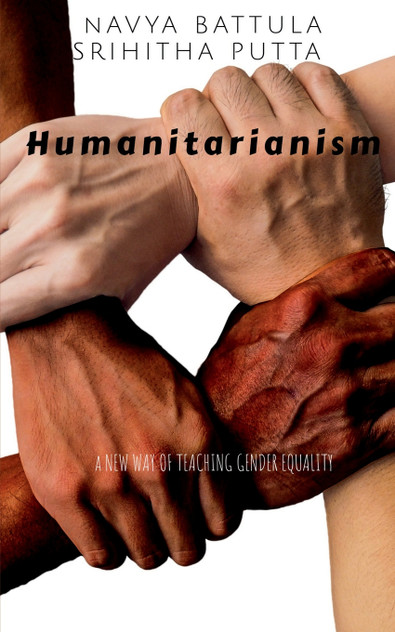
Humanitarianism is an approach of bringing people together to abolish gender barriers. It is an approach intended to spread the idea of reaching the other person in need and helping them to get...
From the author of the international bestseller The Quincunx"Palliser's novel shares some superficial similarities with last year's Booker winner,Prophet Song a family in crisis navigating an...