Public emergencies such as civil wars, natural disasters, and economic crises test the theoretical and practical commitments of international human rights law. During national crises, international law permits states to suspend many human rights protections in order to safeguard national security. States frequently overstep the limits of this authority, violating even peremptory human rights such as the prohibitions against torture and prolonged arbitrary detention. In this volume, leading scholars from law, philosophy and political science grapple with challenging questions concerning the character, scope, and salience of international human rights, and they explain how the law seeks to protect human rights during emergencies. The contributors also evaluate the law's successes and failures, and offer new proposals for strengthening respect for human rights.
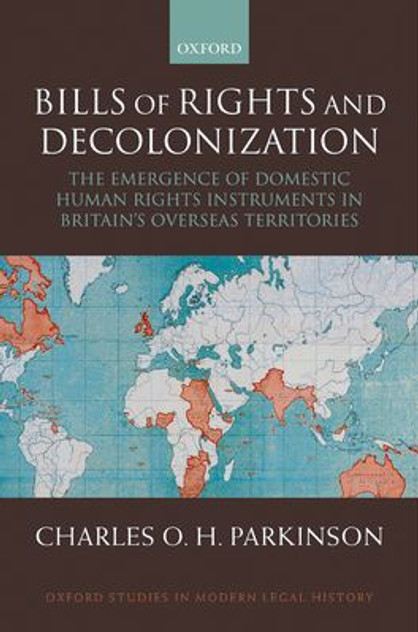
Bills of Rights and Decolonization analyzes the British Government's radical change in policy during the late 1950s on the use of bills of rights in colonial territories nearing independence. More...
This volume discusses the constitutional models of emergency and human rights protection in each of the Visegrad (V4) countries and illustrates how these models and the general framework of rights...
The state of emergency poses a challenge to the protection of human rights. This is because state of emergency allows state's to take extraordinary measures including derogation of human rights. On...
Preface List of Abbreviations Introduction Reconstructing Sovereignty The Quest for Community: Internal Challenges to Sovereignty Permeable Borders: Human Migration Humanitarian Access and...