The productivity of agricultural systems is the result of human alteration of originally wild organisms over millennia. The availability of germplasm, particularly from wild relatives of crop plants, is vitally important in the development of new and improved crops for both agriculture and horticulture. The handling of these genetic resources for both immediate and future human benefits has resulted in the decades of interdisciplinary scientific research described in this book. The applications of this work and the associated operational programmes in all parts of the world are discussed in the light of their impact on the conservation of biodiversity, ecosystem rehabilitation and the future health of our planet.
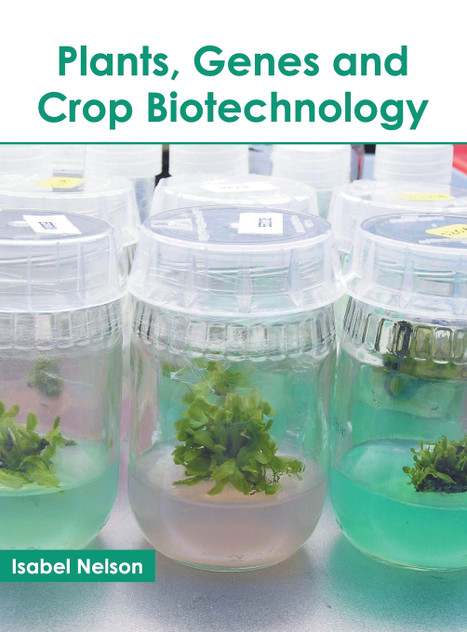
The study of plant genetics helps in understanding the structure and functions of genes in plants. These studies are used in crop biotechnology to modify plants and crops. Crop biotechnology uses the...
The book is a compilation of articles on various issues, presented at the workshop on the Influence of Environment on Growth, Production, Physiology and Disease of Crops that was held at the...
Farmers, Gene Banks and Crop Breeding: Economic Analyses of Diversity in Wheat, Maize, and Rice responds to concerns about the loss of valuable genetic resources and crop ...