Infection of most species of cultivated and wild plants by fungi is a normal biological event, but one of profound importance in the exploitation of plants for food and medicine, building materials and decorative purposes. Potato Blight, Dutch Elm disease and Southern Leaf Blight are all examples of infections leading to disease and plant death, but mycorrhizal fungi confer great benefit on plants, enhancing growth and providing cross-protection agains plant pathogenic species. Originally published in 1987, this book examines infection as a phenomenon common to pathogenic and mycorrhizal fungi alike. It deals with the establishment, progress and outcome of infection and covers such important fundamental aspects as recognition and resistance and seeks to explain why some infections lead to disease while others remain symptomless and beneficial. The various chapters provide a detailed account of the different aspects of fungal infection, written by an international group of scientists.
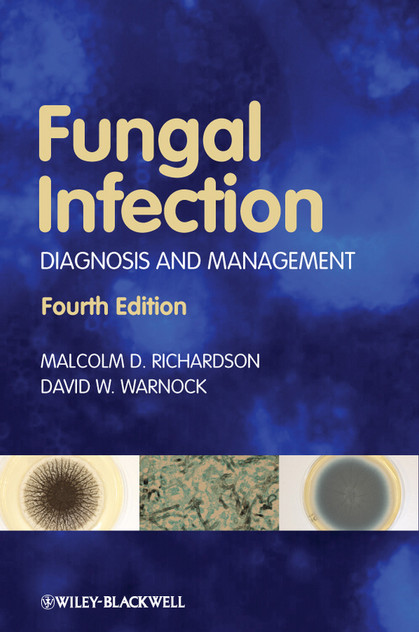
Fungal Infection: Diagnosis and Management, 4th Edition is a concise and up-to-date guide to the clinical manifestations, laboratory diagnosis and management of superficial, subcutaneous and systemic...
Fungi are eukaryotic microorganisms that are closely related to humans at cellular level. Human fungal pathogens belong to various classes of fungi, mainly zygo- cetes, ascomycetes, basidiomycetes,...
Fungal infections are diseases that are caused by fungus. They can affect the skin, nails, and lungs. Various types of fungal infections have been divided into three categories, namely superficial,...