sale
Trending Bestseller

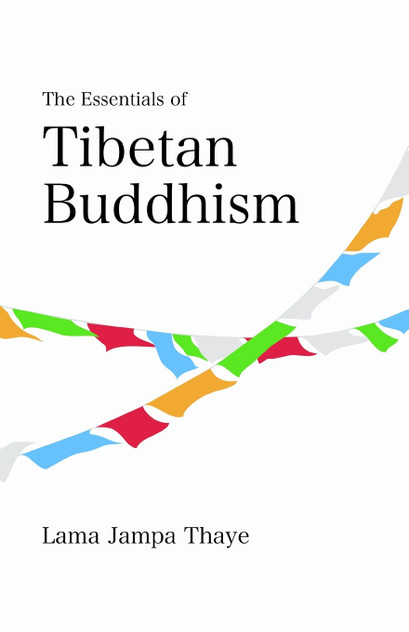
Fundamentals of Tibetan Buddhism

No reviews yet Write a Review
Paperback / softback
01-March-1999
208 Pages
RRP: $39.99
$35.00
Ships in 5–7 business days
Hurry up! Current stock:
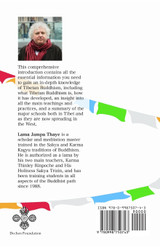
In Tibetan, the word for Buddhist means “insider”—someone who looks not to the world but to themselves for peace and happiness. The basic premise of Buddhism is that all suffering, however real it may seem, is the product of our own minds.Rebecca Novick’s concise history of Buddhism and her explanations of the Four Noble Truths, Wheel of Life, Karma, the path of the Bodhisattva, and the four schools help us understand Tibetan Buddhism as a religion or philosophy, and more important, as a way of experiencing the world.

This product hasn't received any reviews yet. Be the first to review this product!

RRP: $39.99
$35.00
Ships in 5–7 business days
Hurry up! Current stock:

Fundamentals of Tibetan Buddhism

RRP: $39.99
$35.00

Description

In Tibetan, the word for Buddhist means “insider”—someone who looks not to the world but to themselves for peace and happiness. The basic premise of Buddhism is that all suffering, however real it may seem, is the product of our own minds.Rebecca Novick’s concise history of Buddhism and her explanations of the Four Noble Truths, Wheel of Life, Karma, the path of the Bodhisattva, and the four schools help us understand Tibetan Buddhism as a religion or philosophy, and more important, as a way of experiencing the world.

Customers Also Viewed