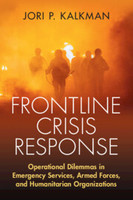

Frontline crisis response is challenging. Emergency responders, soldiers, and humanitarian aid workers all operate at the frontlines of threatening, uncertain crisis situations on a daily basis. Under intense pressure, they need to make a range of difficult decisions: to follow preexisting plans or improvise; to abide by top-down instructions or take discretionary actions; to get emotionally involved or keep a rational distance? These dilemmas define their work but, until now, have not been subjected to systematic investigation. This book conducts in-depth studies of eleven such dilemmas by integrating a wide array of research findings on crisis response operations. The comprehensive overview of crisis response research shows how frontline responders deal with these dilemmas amidst the chaos of crises and forms the basis for the formulation of a theory of frontline crisis response. As such, this book will undoubtedly help to understand, evaluate, and advance crisis response operations.
This innovative and timely consideration of the European Union's crisis response mechanisms brings together scholars from a range of disciplinary backgrounds to examine how and why the EU responds to...
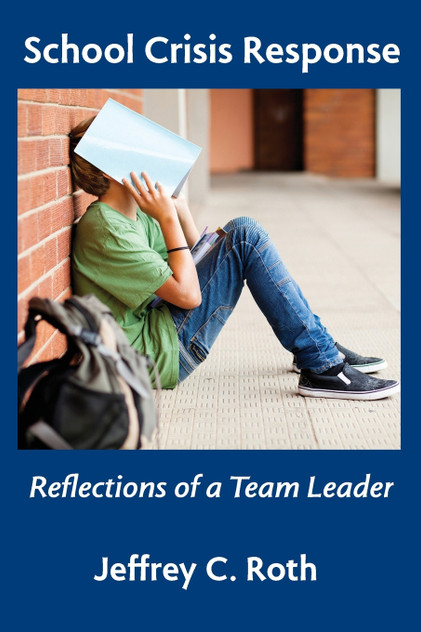
Dr. Roth’s book provides “unique insight into the feelings underlying school crisis response and the skills needed to do this work with integrity and competence.” —Melissa A. Reeves,...
When crises occur, citizens, media and policymakers alike expect government to respond and to take a leading role in recovery. Given the scale and scope of crises, whether natural (such as...